
Everything a school needs to make ambitious learning work.
A connected system of curriculum, teacher support, documentation, and assessment—built around real challenges and student-led making.
One system.
Four parts.
Each offering can stand on its own. Together, they create the conditions for studio learning to become a durable part of school.
Studio Library
Studios and shorter Sprints that turn complex questions into tangible learning.
Teacher Operating System
Planning, facilitation, critique, AI, assessment, maker support, and professional learning.
NuFolio
A shared workspace for projects, prototypes, reflection, feedback, and evidence.
Assessment Framework
Competency-based assessment that makes growth visible across every studio.
A creative process built for discovery.
Students move from questions to ideas, prototypes, feedback, and reflection. The stages create a shared rhythm without forcing the work into a straight line.
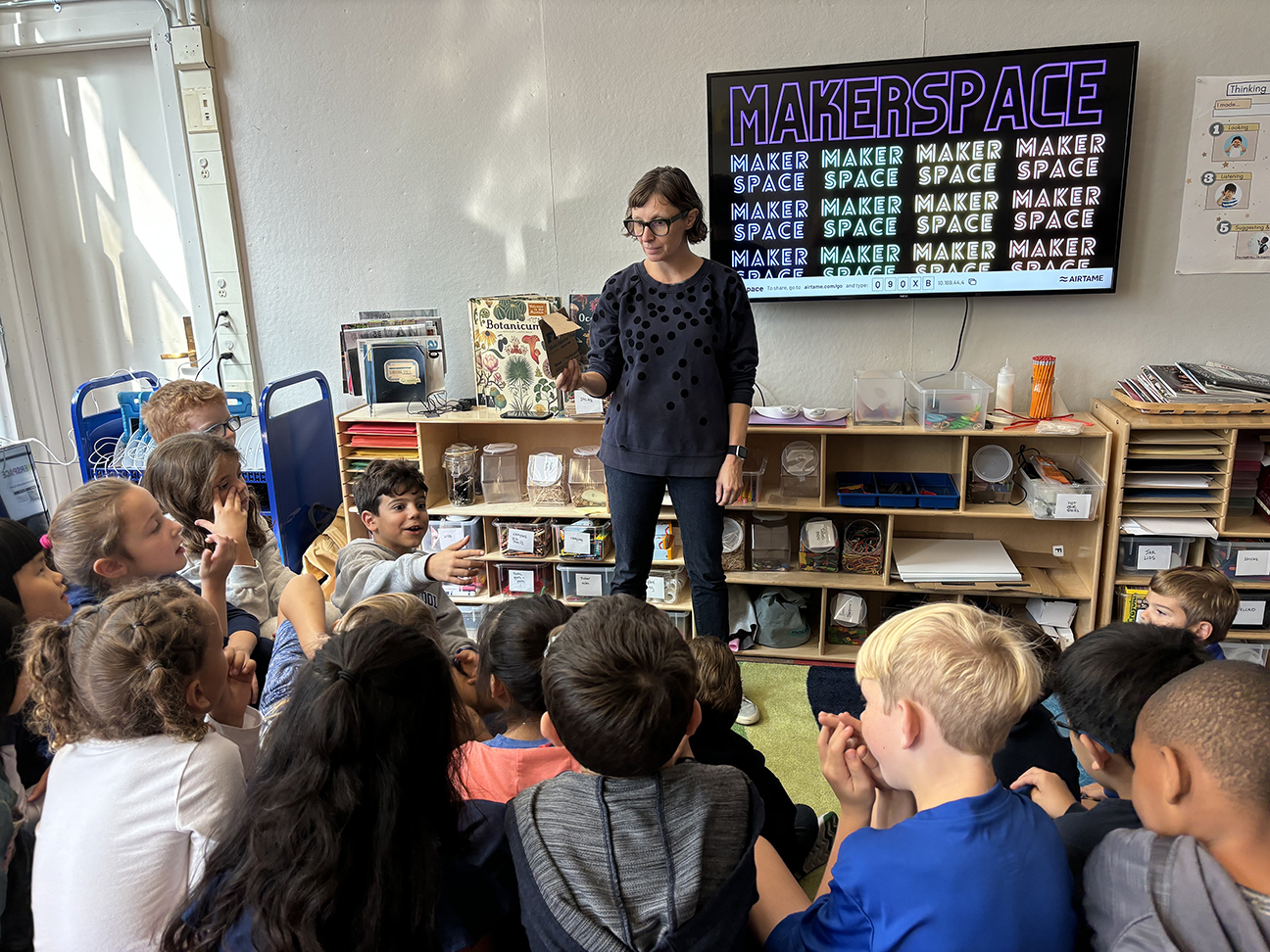
Studio Kickoff
A compelling challenge opens the studio. Learners meet the question, the people it affects, and the possibilities it creates.

Intro Activity
A short, playful activity introduces a material, skill, or way of thinking. Everyone starts by doing—not by waiting for instructions.

Context Inquiry
Learners investigate the challenge in context. Observation, interviews, precedent research, and lived experience make the problem more specific.
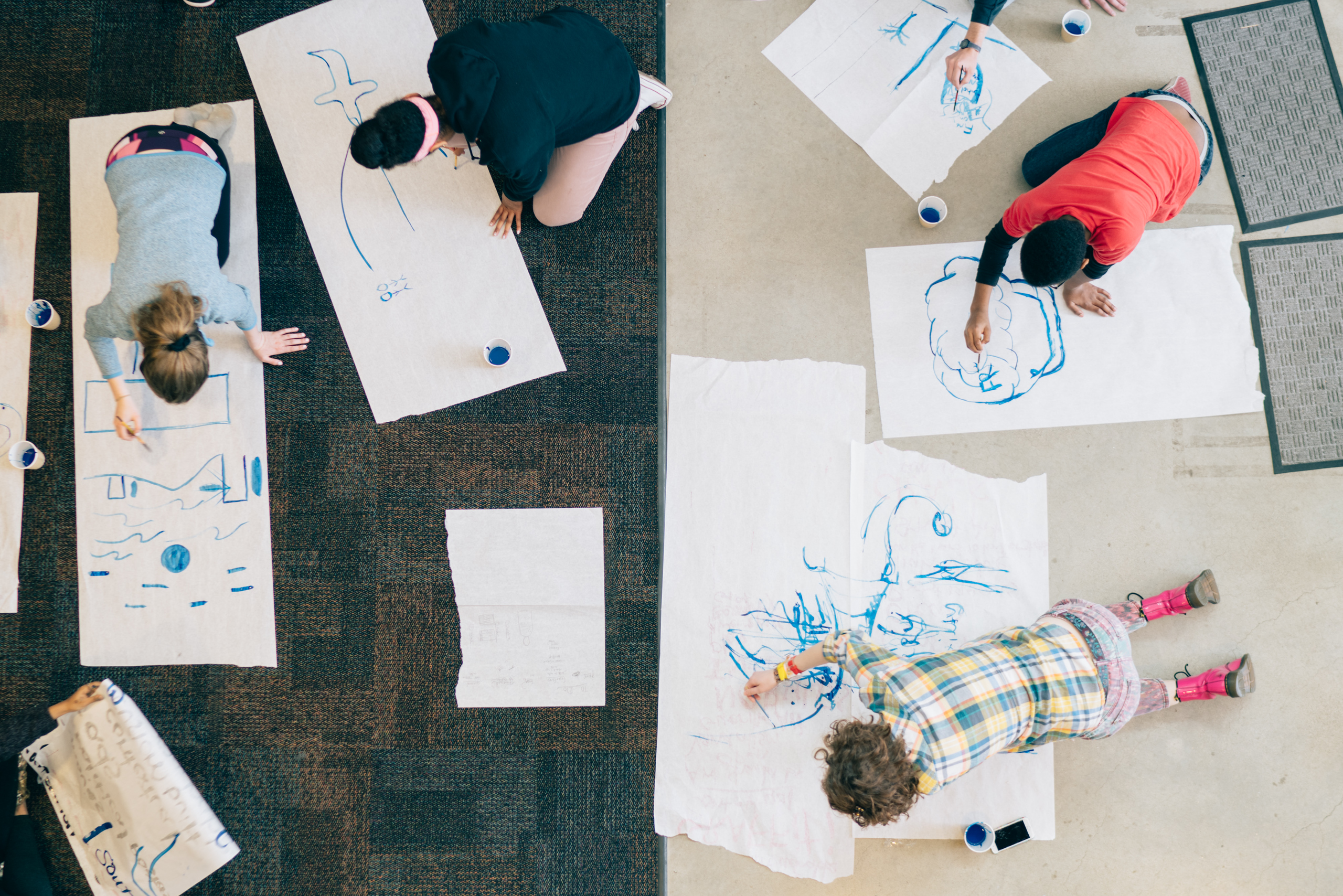
Brainstorming
Teams make ideas visible quickly and build on one another’s thinking. Quantity creates room for surprising, ambitious directions to emerge.
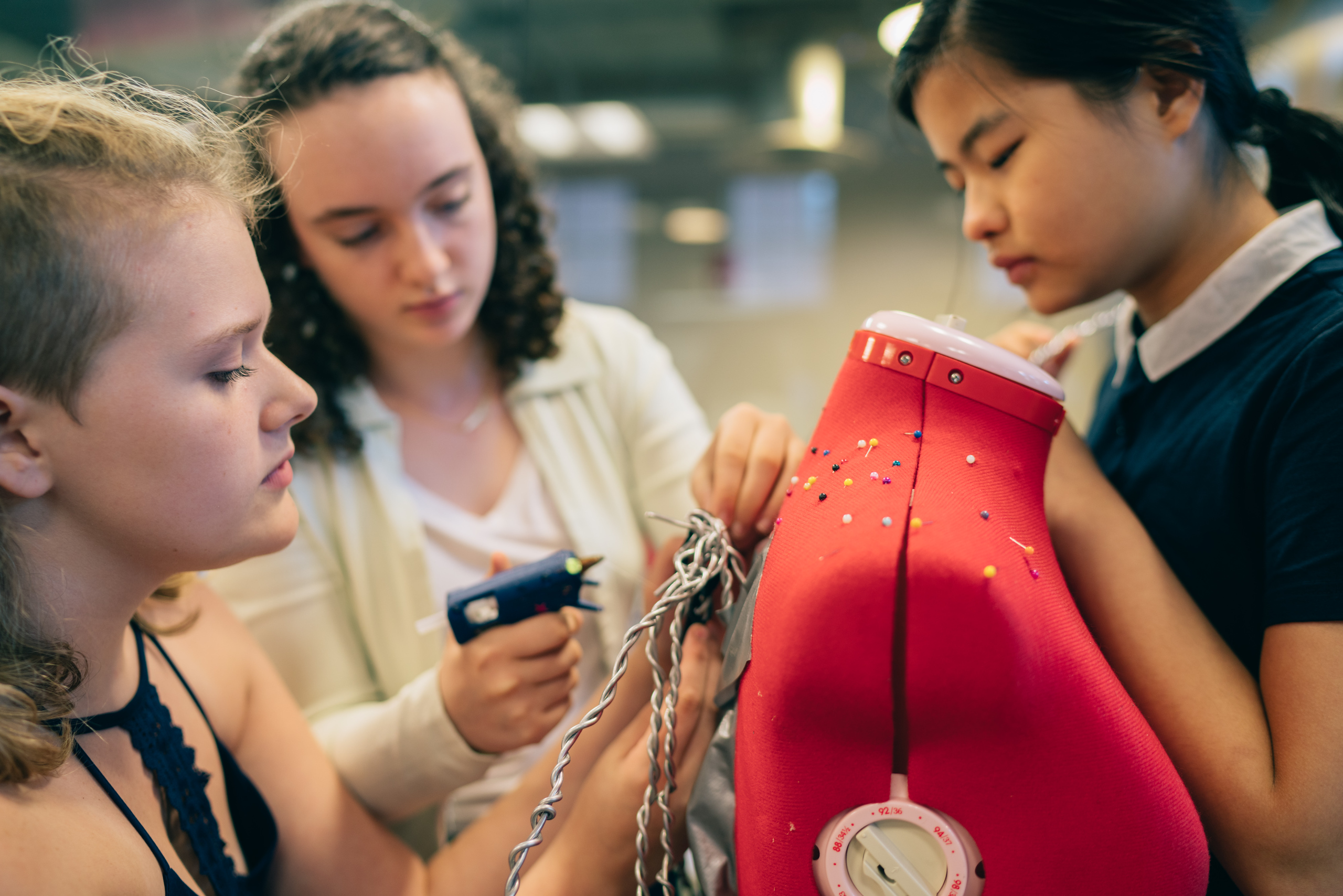
Low-Fi Prototyping
Rough prototypes turn assumptions into something the team can test. Fast, inexpensive materials keep attention on the idea—not the finish.
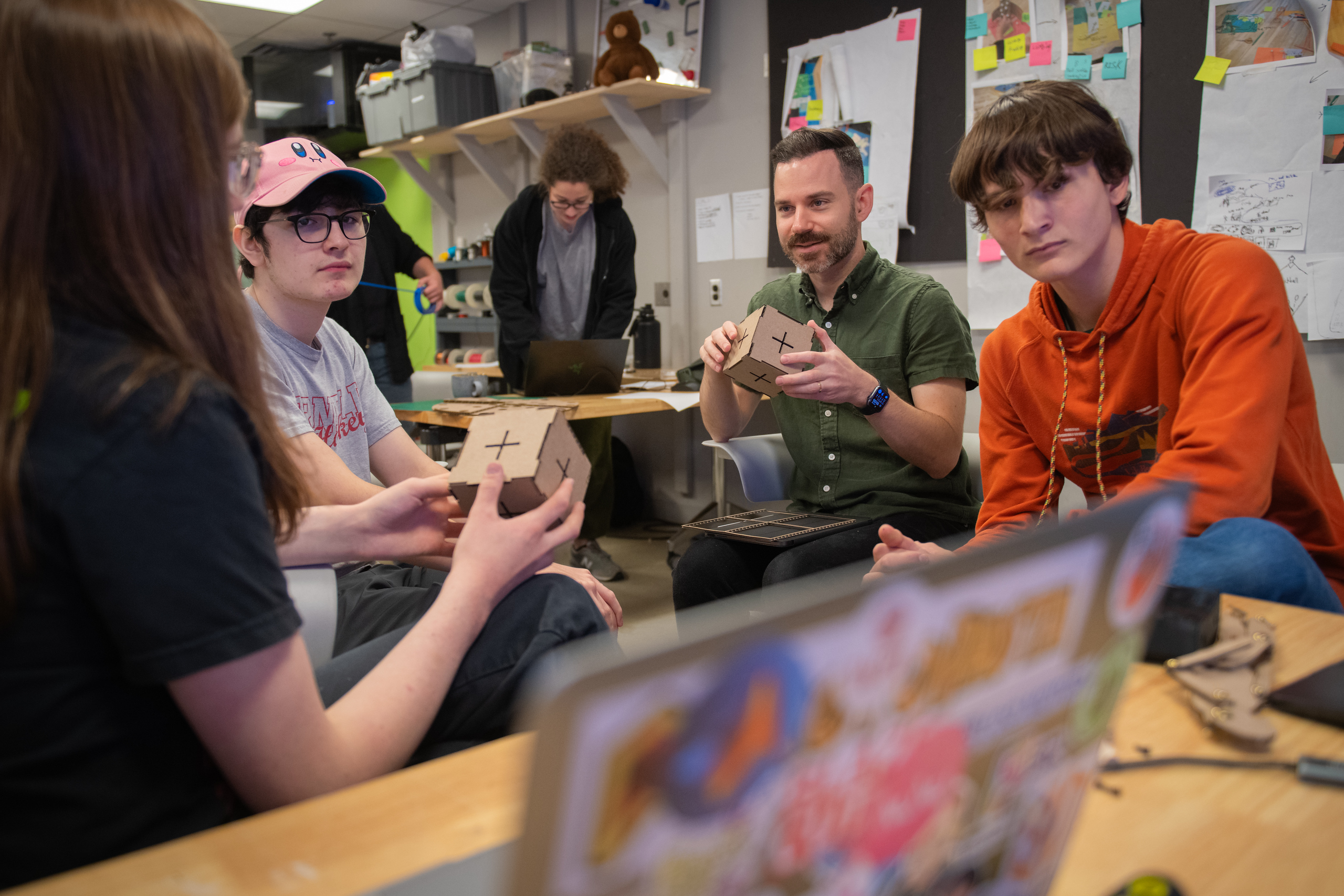
Feedback & Critique
Structured critique helps learners see what is working, what is unclear, and what the project could become. Feedback is material for the next iteration.

High-Fi Prototyping
Learners refine systems, interactions, form, and craft. The project becomes more complete while continuing to respond to testing and critique.

Storytelling
The final story connects the challenge, the process, and the outcome. Learners show not only what they made, but how their thinking changed.
Hover to explore a stage. Click to keep it open. The process loops whenever new questions emerge.