

Browse our Studio and Sprint catalog by clicking on the tags below. Sprints range from 2-6 hours instruction time while Studios range from 20-60 hours of instruction time. This is only a sample of the curriculum we offer. New studios are added every quarter to address the ever-changing landscape of global challenges. We can also custom create Studios or Sprints based on a certain theme, topic or curricular unit or a teacher's request.
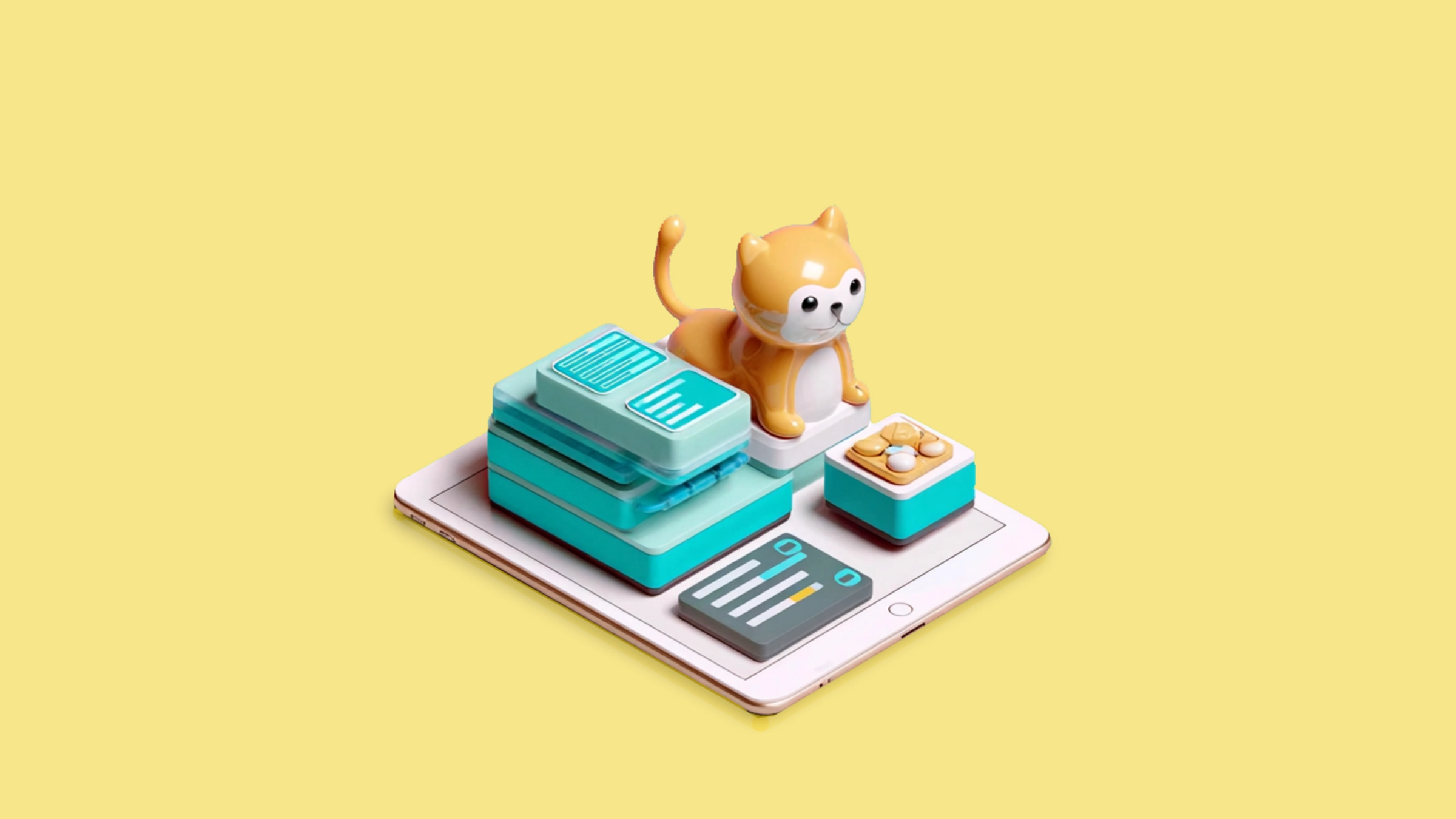
In Scratch Games, students will design and build a game using Scratch, focusing on a theme connected to a social or environmental issue. Through this project, they will develop key skills in 2D game design, creative coding, and storytelling while exploring how games can raise awareness or inspire action. They will learn to break down complex ideas into logical steps, use loops and conditionals, create interactive elements, and troubleshoot their code, all while addressing meaningful topics that impact their communities and the world.
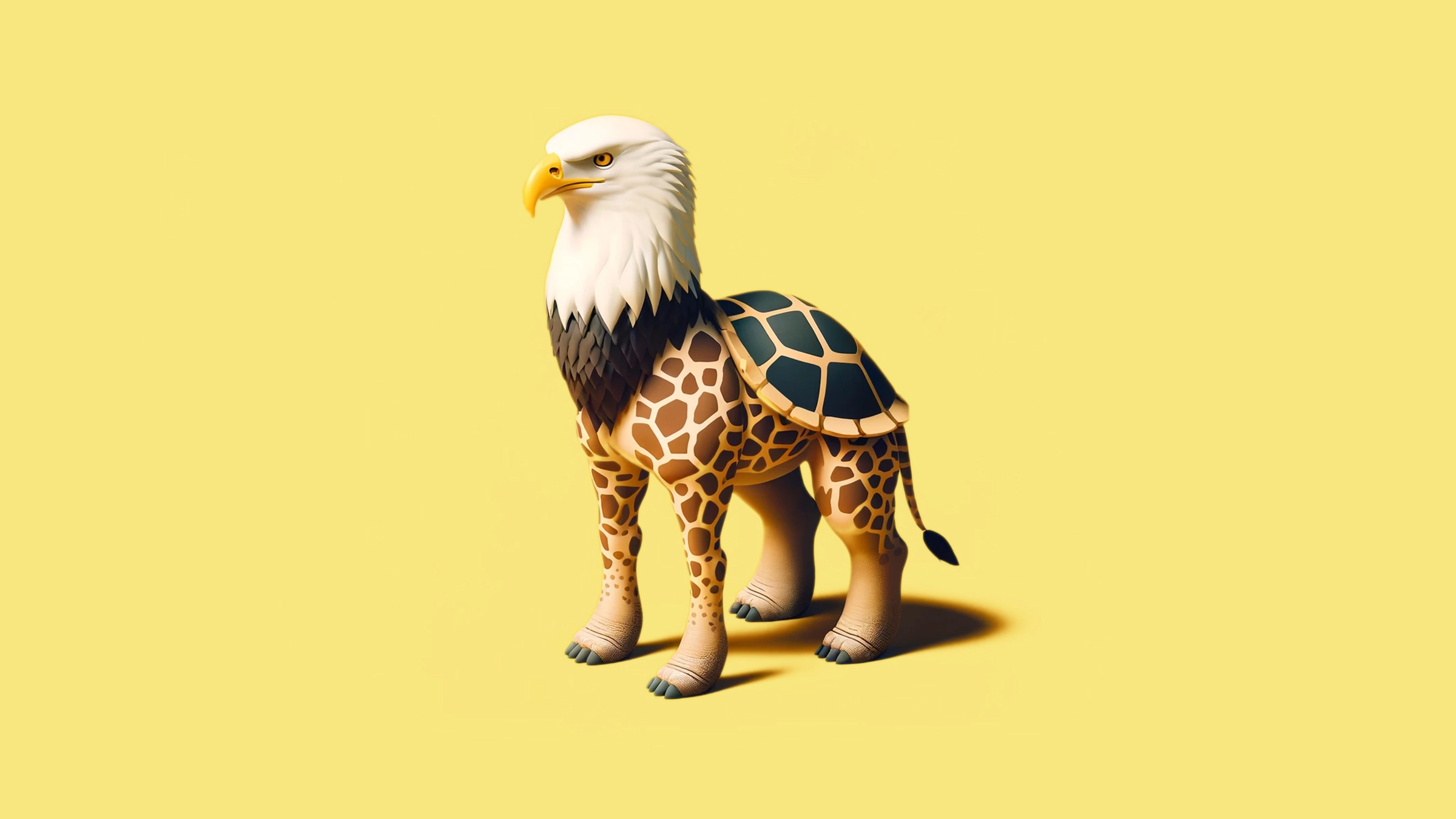
In Super Animals, inspired by the surrealist game 'Exquisite Corpse,' students will embark on a journey of collaborative imagination. Working in teams of three, they will collectively sketch and bring to life a unique super animal. Through this creative endeavor, they will delve into the principles of collective creation and experiential learning. The objective is to foster collaborative creativity and teamwork skills among students while engaging them in a hands-on exploration of surrealist art concepts.
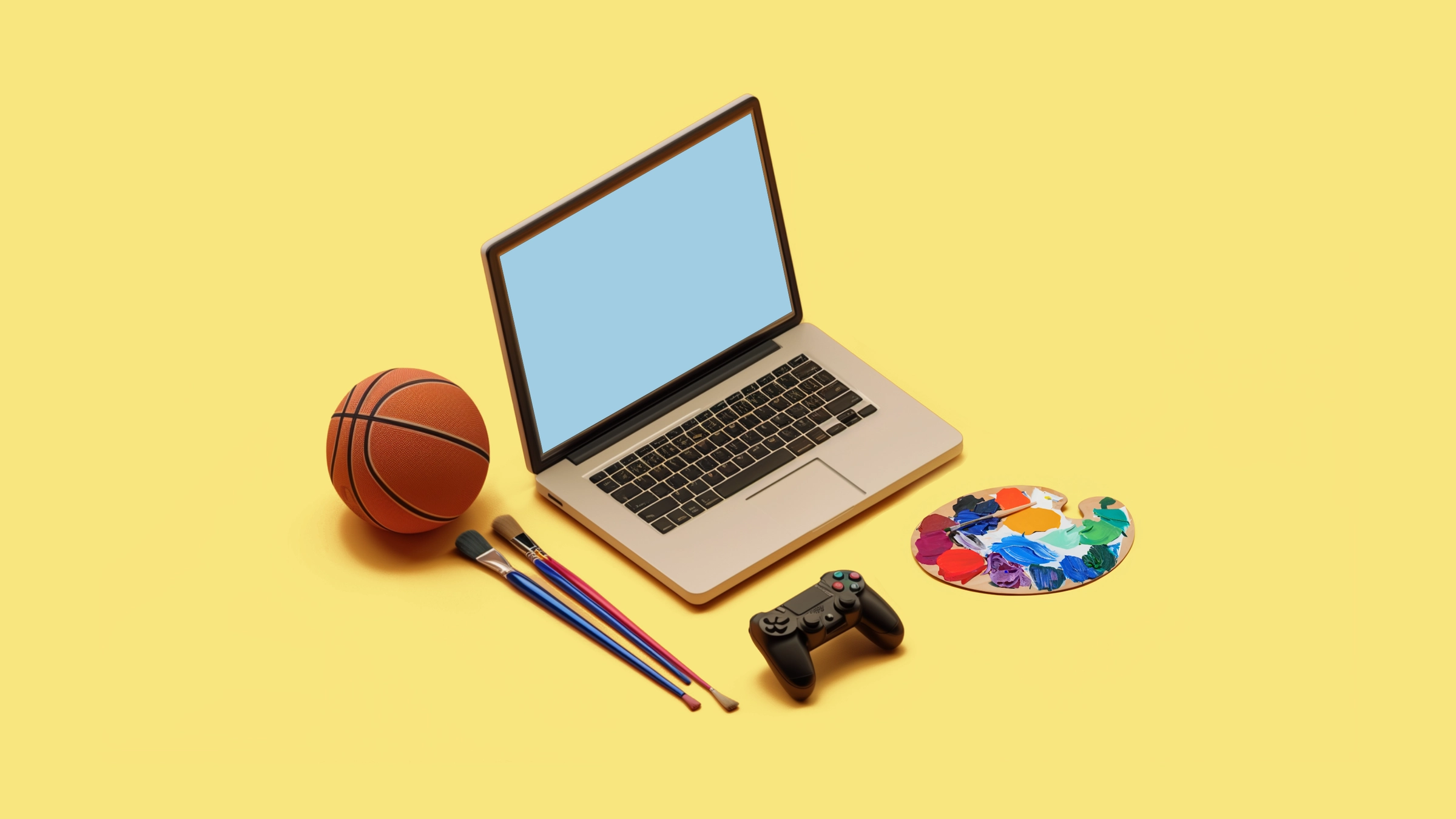
In Making Me, student pairs will design and prototype an object that collaboratively represents their interests and identity. These unique objects will be a creative way of sharing something about themselves and learning something new about others. The resulting prototypes can be quirky, whimsical, and unique to each student pair.
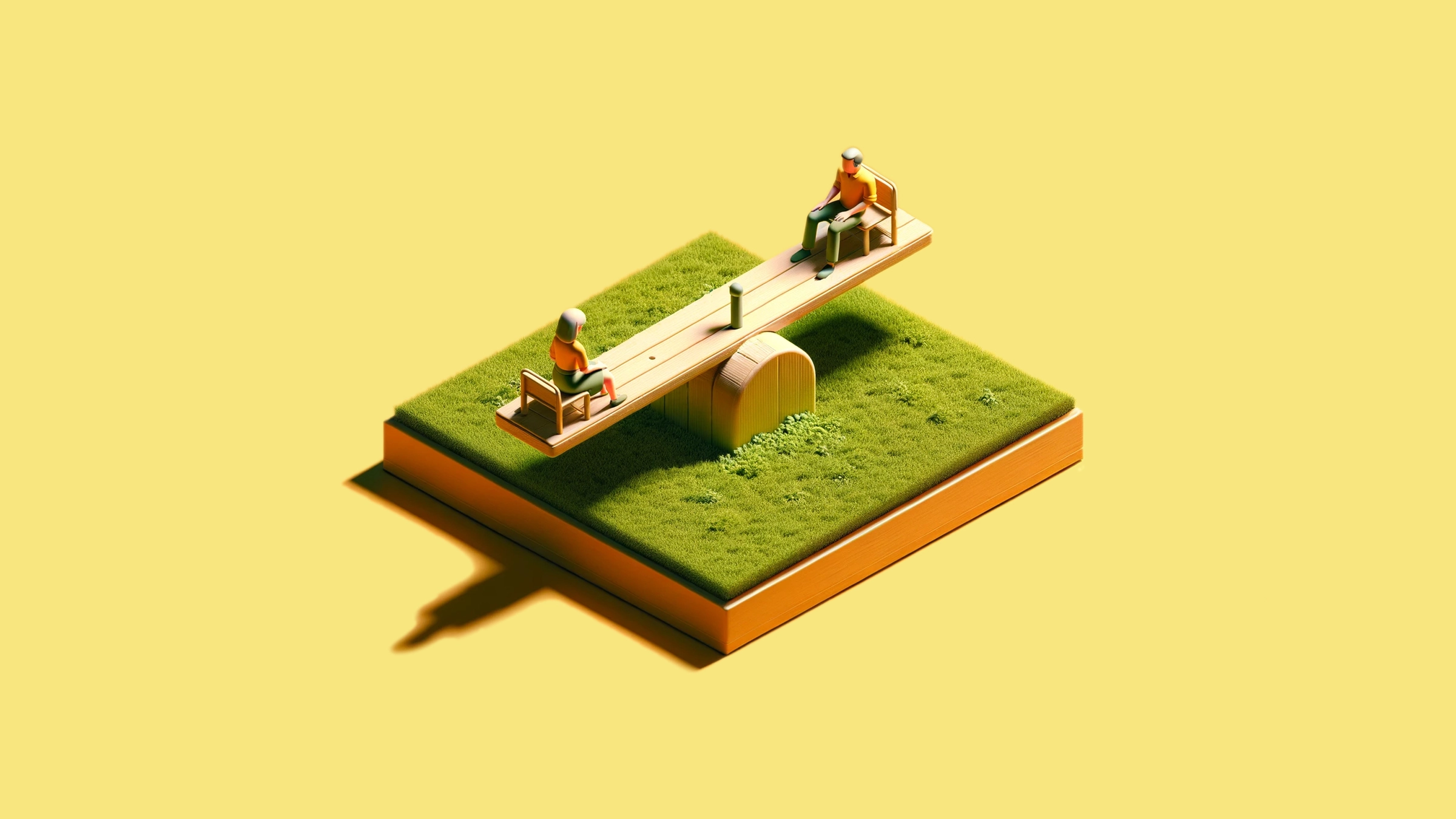
In Throne for Two, students will explore how furniture can encourage collaboration, communication, and shared experiences. Through research, sketching, prototyping, and full-scale model making, they will design and build an interactive furniture piece for two or more people using cardboard and other low-fidelity materials. The studio culminates in the testing and presentation of functional prototypes that blend human-centered design, aesthetics, and social interaction.
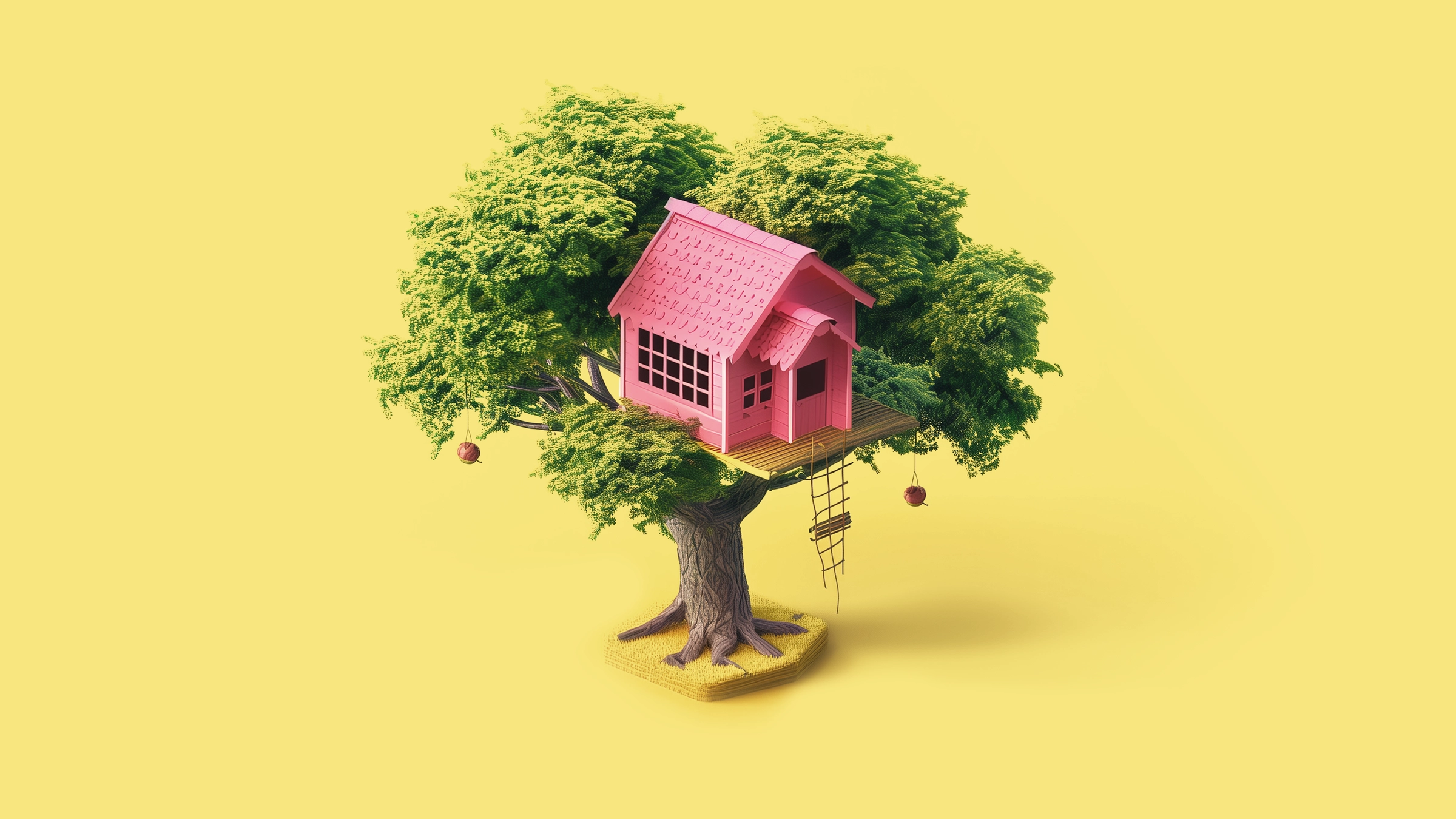
In Canopy Creations, students will work in teams to design and build unique treehouses around a pre-built tree trunk provided by the teacher. They will imagine creative spaces — from cozy homes and inspiring studios to adventurous lookout points and community gathering places — while considering how their designs connect with the surrounding natural environment. Through sketching, prototyping, and construction, students will strengthen their creativity, problem-solving, and collaboration skills as they bring their imaginative architectural visions to life.
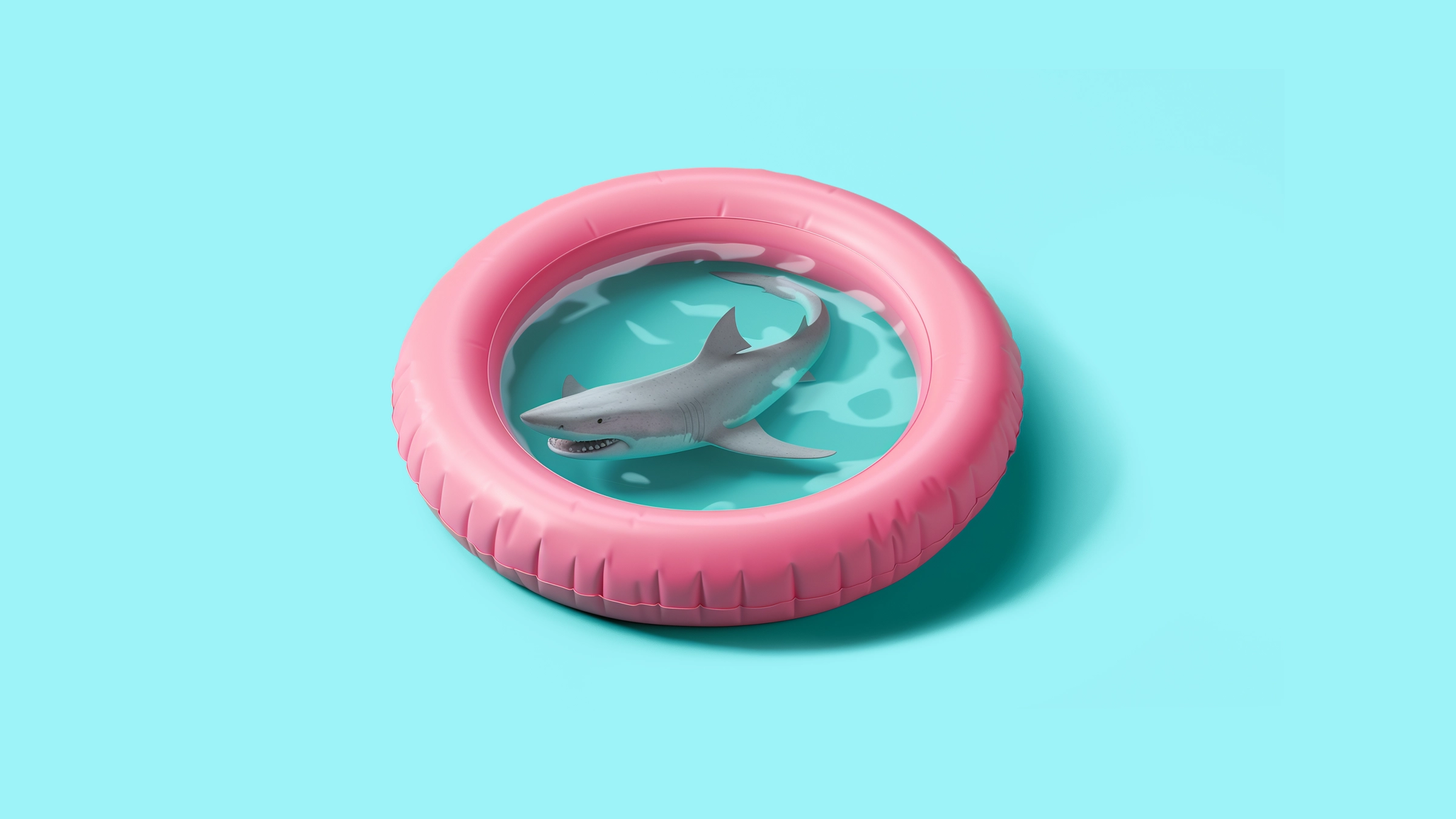

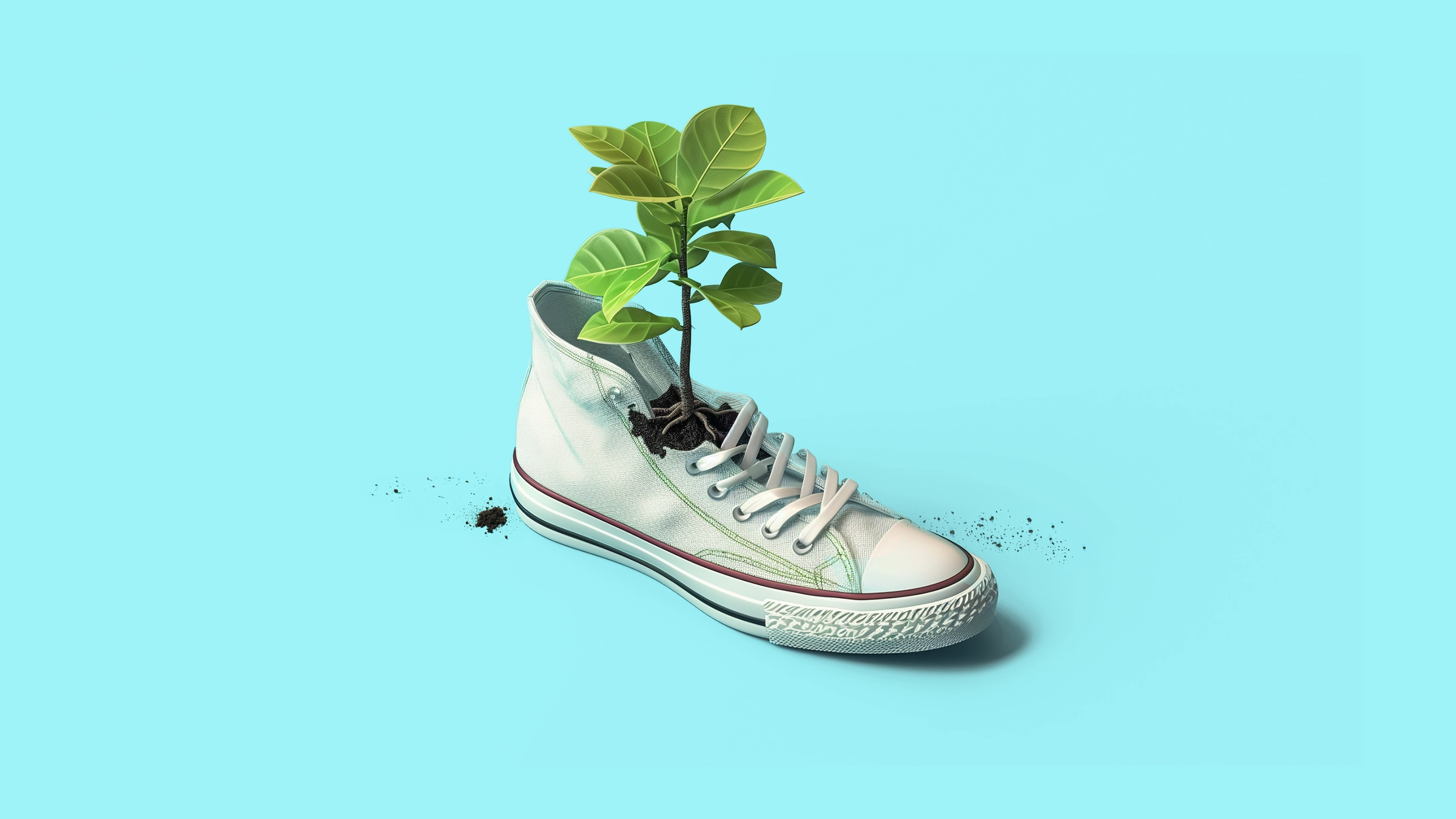
In Eco-Kicks, students will design innovative shoes that reduce environmental impact while walking, hiking, or running. This studio encourages creative and playful thinking, challenging students to address environmental issues through everyday movement. By reimagining something as ordinary as a pair of shoes, they will discover how they can make a positive impact on the environment simply by moving through their neighborhood.
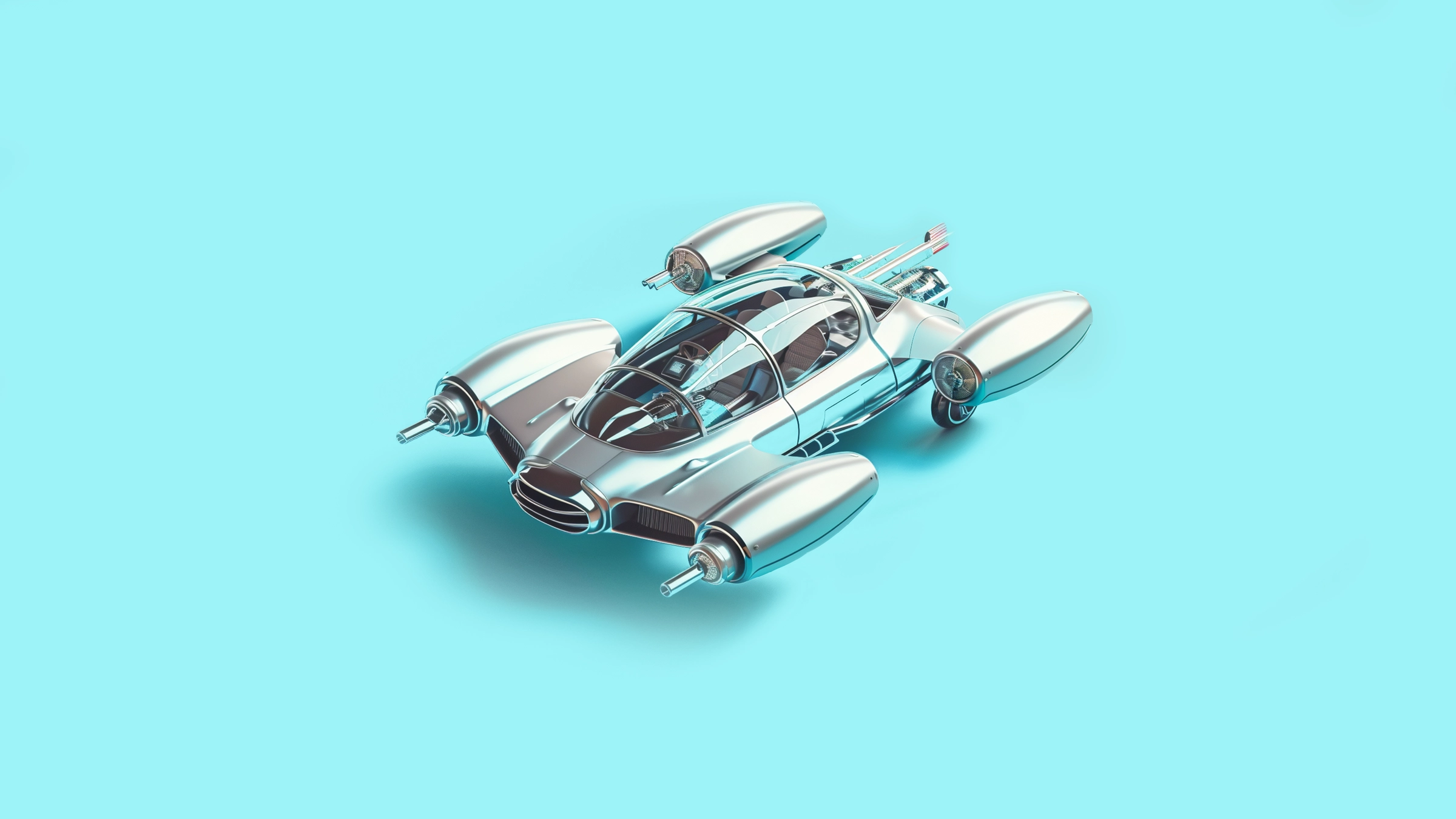
In History of the Future, drawing inspiration from historical predictions, science fiction, and speculative design, students will imagine their own future worlds and communicate them through artifacts. Using both AI-assisted and traditional creative tools, students will develop, prototype, and refine their ideas, culminating in a collection of speculative works that explore possible futures and encourage critical thinking about the world we are creating.
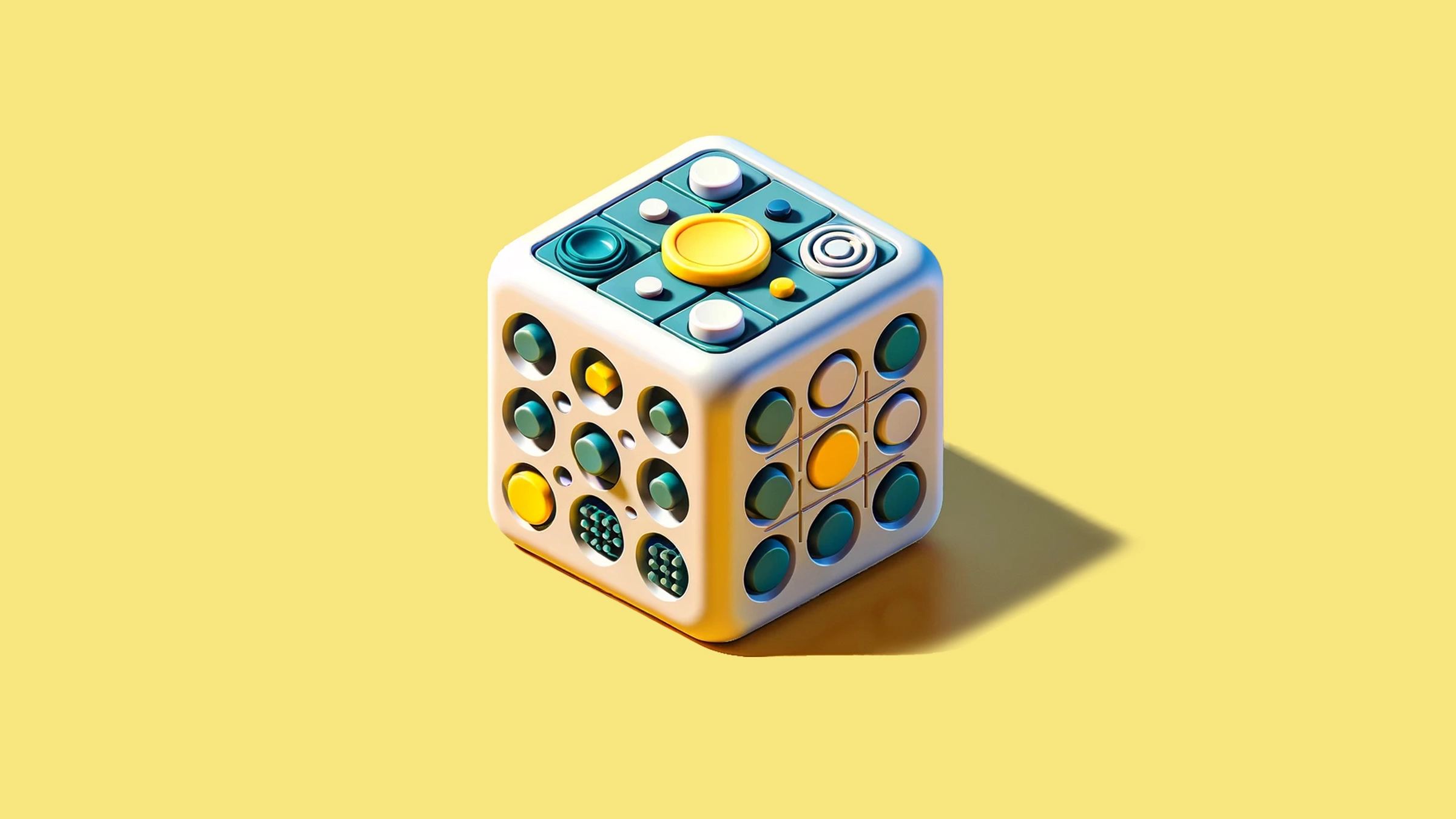
In Fidget Toys, students explore how thoughtful product design can support focus, sensory engagement, and fine motor development. Working in pairs, they will research user needs, brainstorm ideas, and prototype innovative fidget toys designed for children. Through iterative design, testing, and refinement, students will experiment with movement, texture, mechanisms, and ergonomics to create compact products that promote tactile learning, hand-eye coordination, self-regulation, and playful interaction.
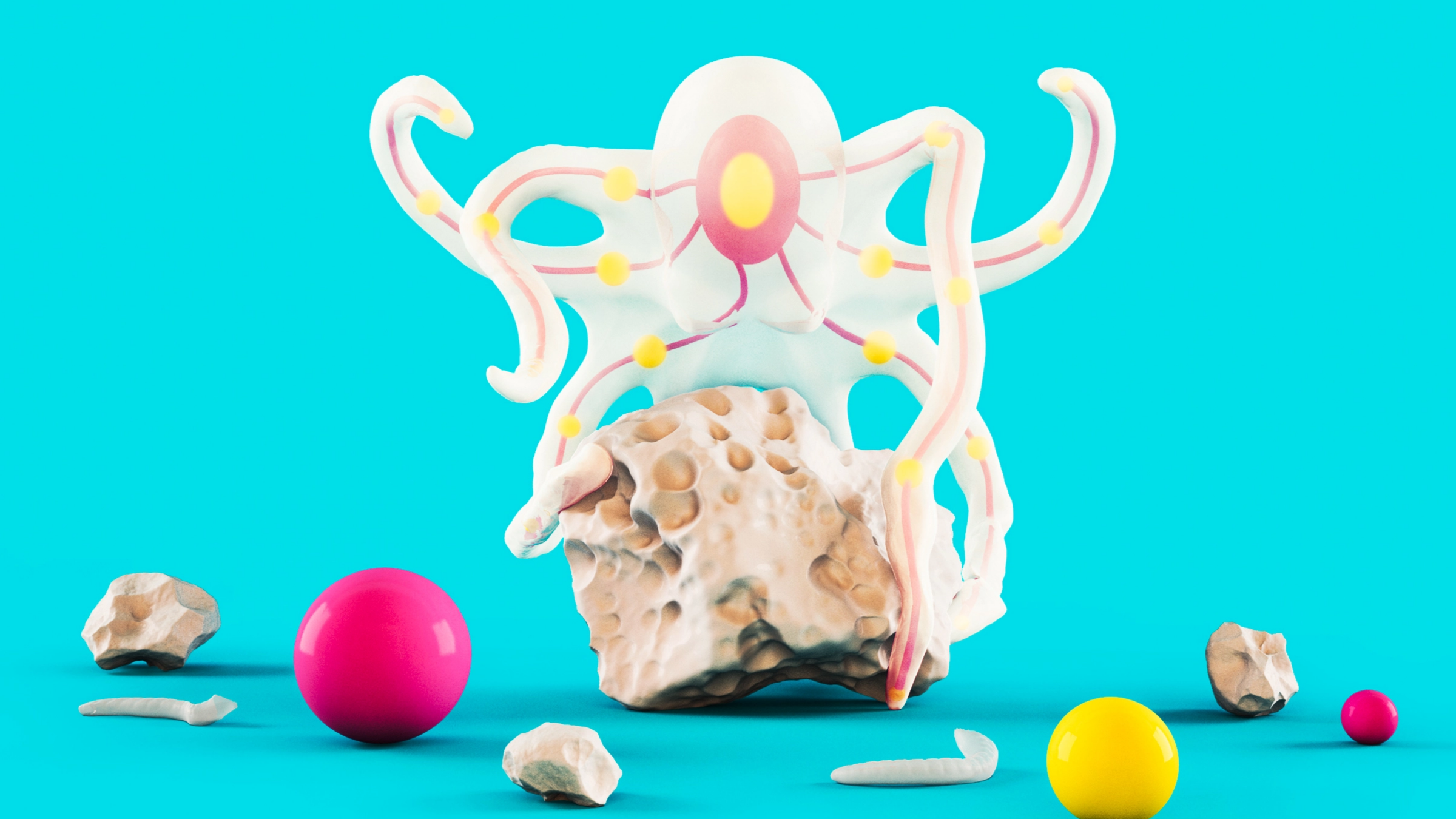
In Deep Sea Puppets, students explore the fascinating world of deep sea creatures through research, observation, and design. Inspired by the unique anatomy and movement of marine life, they will sketch, prototype, and build expressive puppets using a variety of materials and simple mechanisms. Along the way, students investigate movement, storytelling, and character design, culminating in an original puppet performance that brings their underwater creations to life.
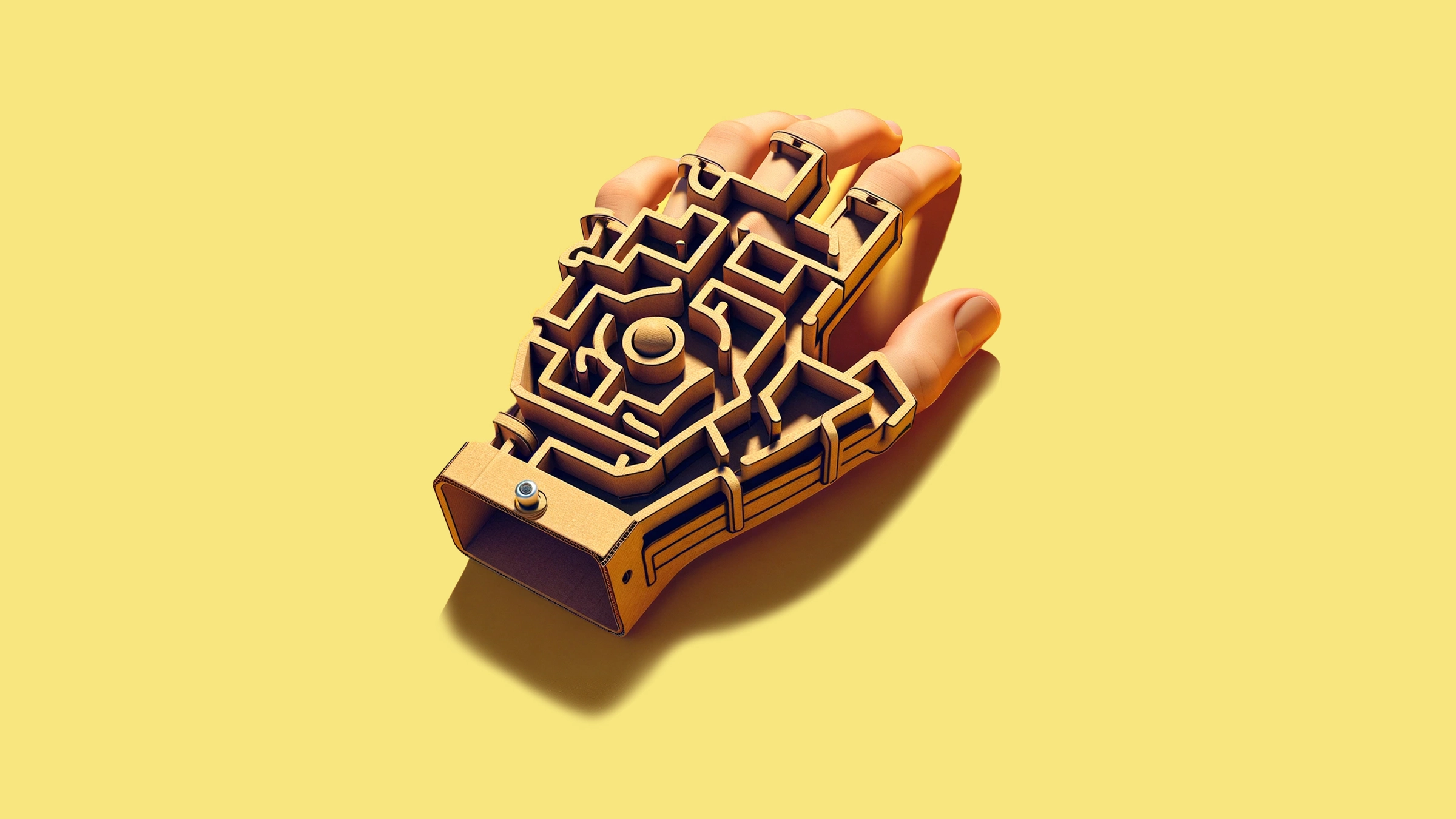
In Gamified Wearables, students will reinvent a favorite video game or app into a wearable game. Selecting a body part or using the whole body as a canvas, students will create cardboard prototypes that capture the essence of the game's play. This hands-on challenge blends the virtual with the physical, making it the ultimate interactive gaming platform!
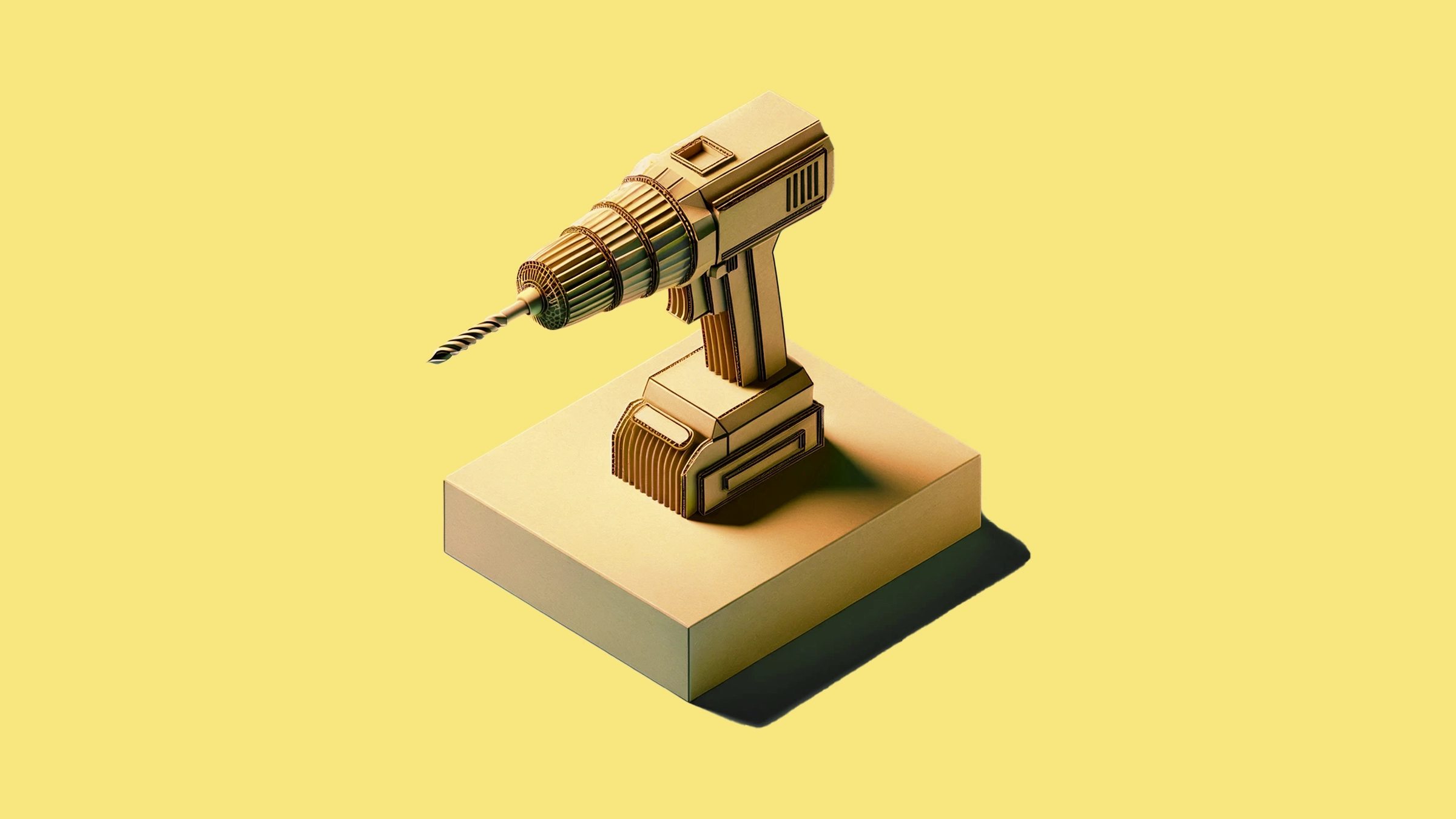
In Copy Copy, students explore the art of reverse engineering by recreating a familiar hand tool or everyday object from a workshop, kitchen, or home. They will build the object twice, each time using a different material and fabrication technique, investigating how material properties, manufacturing methods, and construction choices influence function, durability, and form. Through careful observation, measurement, prototyping, and iteration, students develop a deeper understanding of how thoughtfully designed products are made.
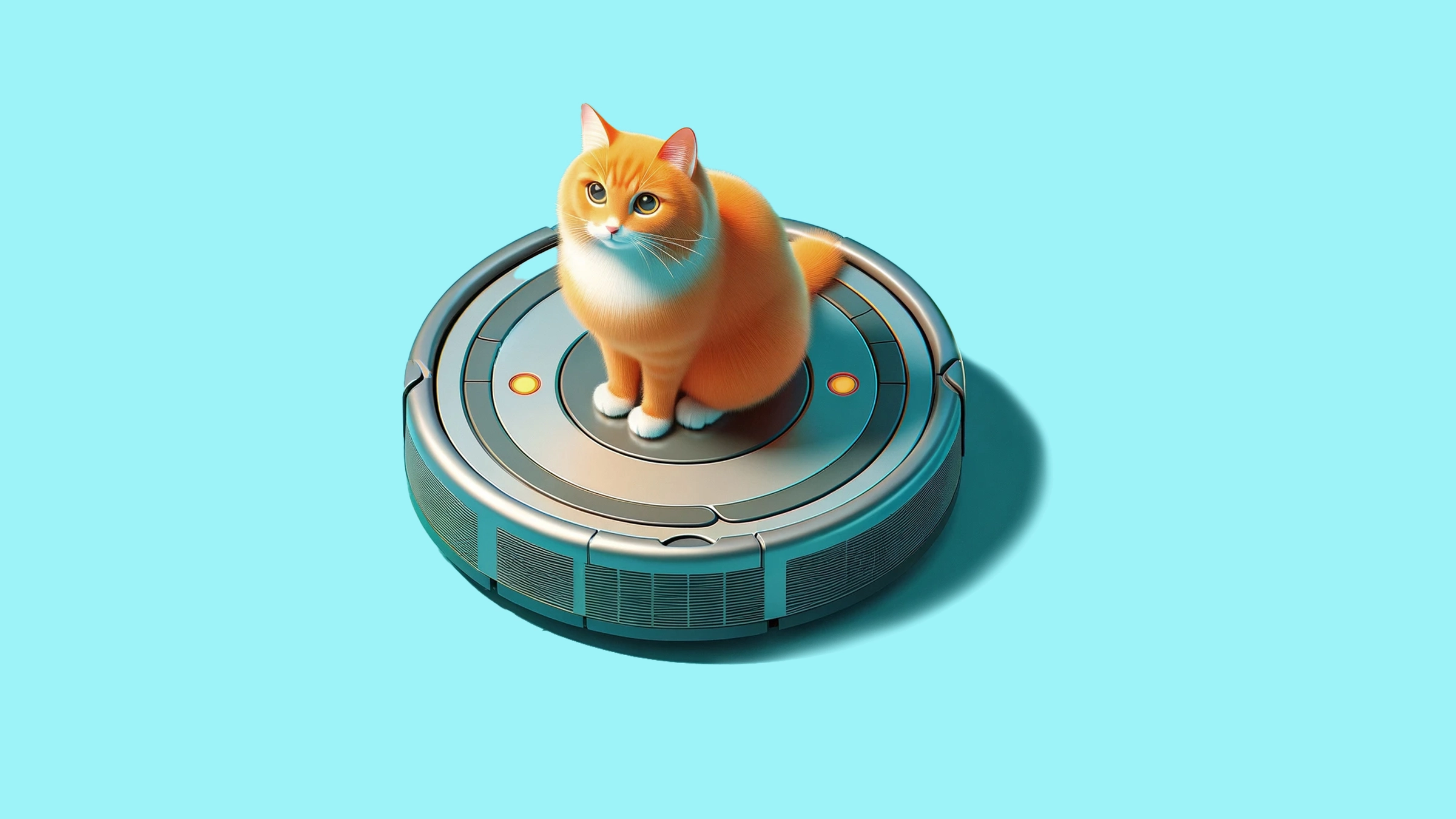
In Pet Products, students will delve deep into the daily lives, needs, and well-being of pets to create a thoughtful pet product. From the initial sketch to the final prototype, they will consider every aspect of a pet's life, including their transportation, socialization, and physical health. This hands-on project fosters empathy and understanding while bringing innovative solutions to life for our furry friends.

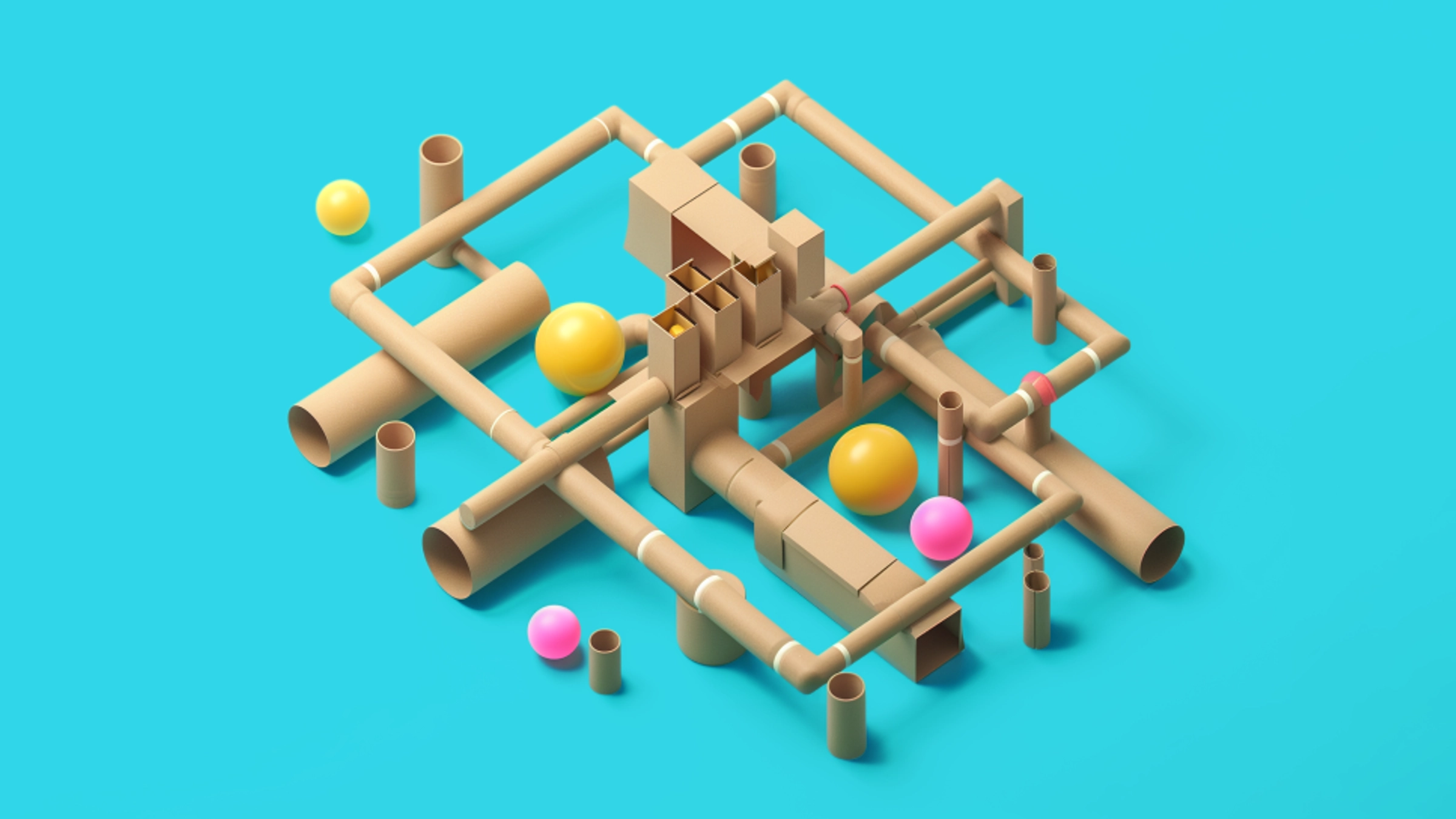
In Don't Drop the Ball, students will collaborate to construct inventive obstacle courses, each designed to test problem-solving and building prowess. The ultimate goal is to safely navigate a donut hole from point A to point B. Harnessing simple machine mechanisms and a variety of prototyping materials, students will engineer a path that not only challenges but ensures the safe passage of their precious payload.
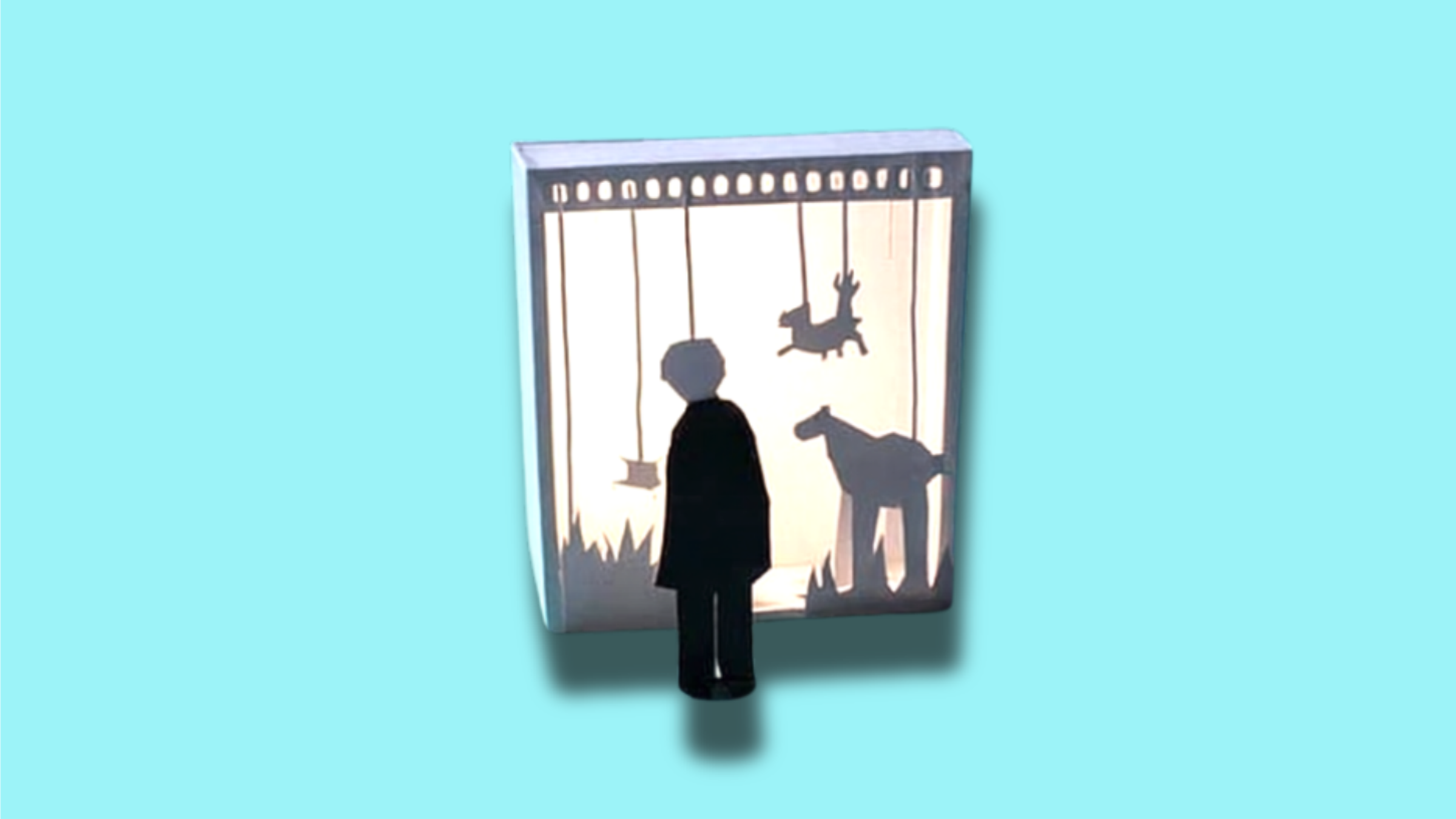
In Tales in the Shadow, students will choose a folktale or traditional story from their culture and bring it to life by creating a shadow box. They will explore the story's main themes, characters, and settings, then design layered visuals using silhouettes, cutouts, and light to add depth and mood. This project combines literature, cultural heritage, and art to tell a story in three dimensions.
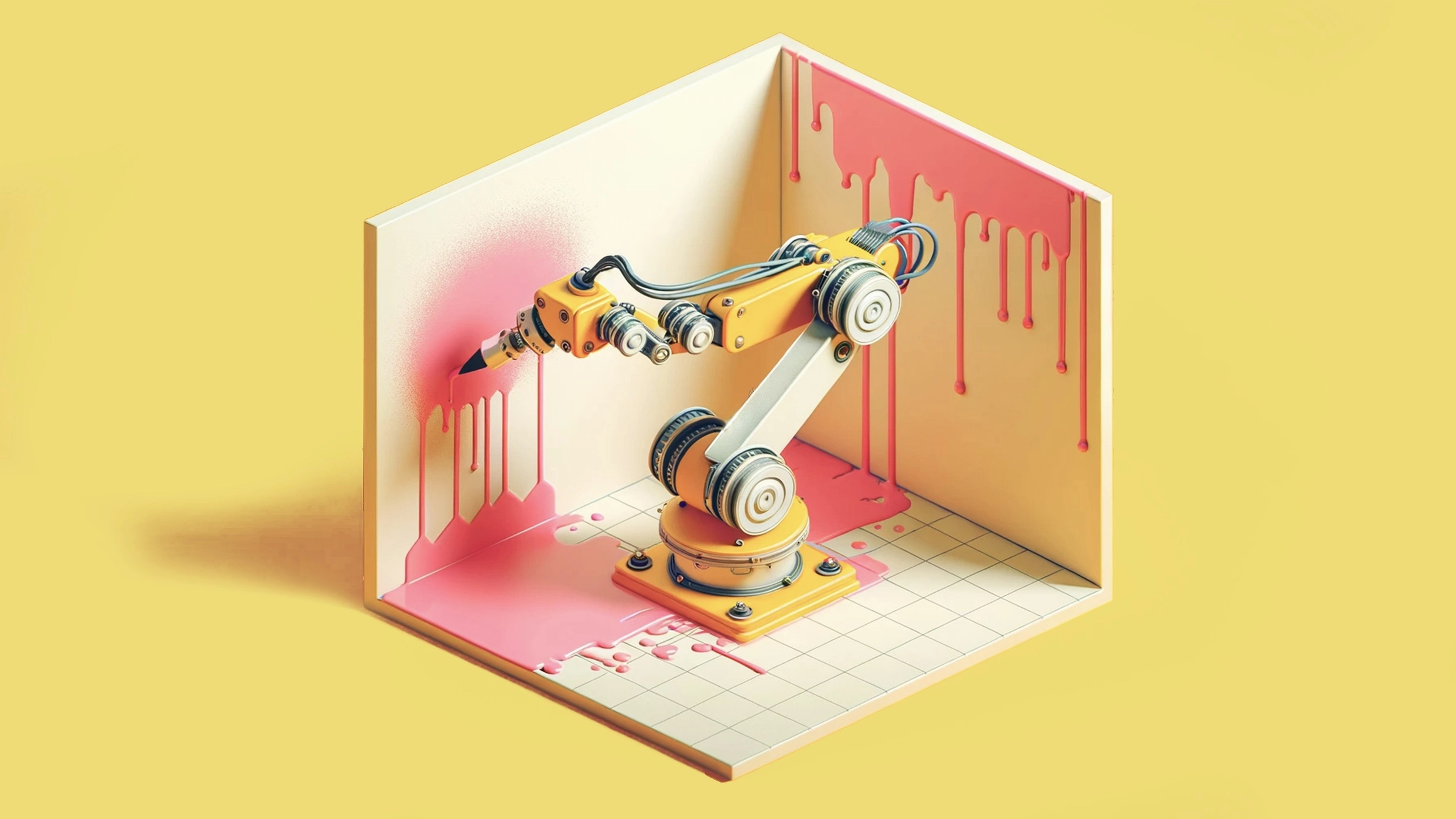

In Snack to the Future, students will imagine how we might eat in the future by designing wearable technologies and innovative eating experiences that encourage healthier habits. Through research into nutrition and the human body, they will create futuristic utensils that respond to the user, celebrate healthy choices, and transform every snack into a playful, multisensory experience.
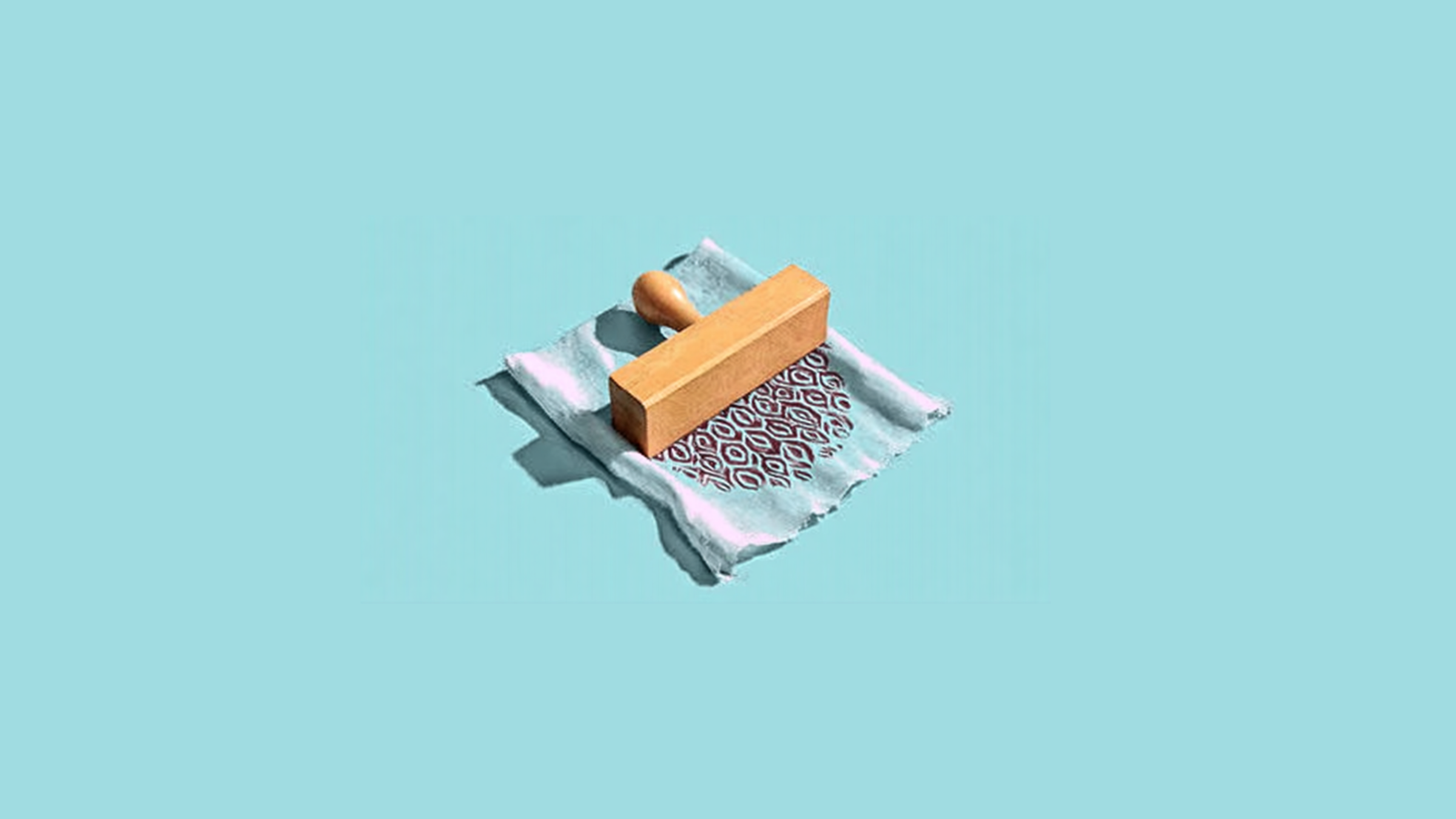
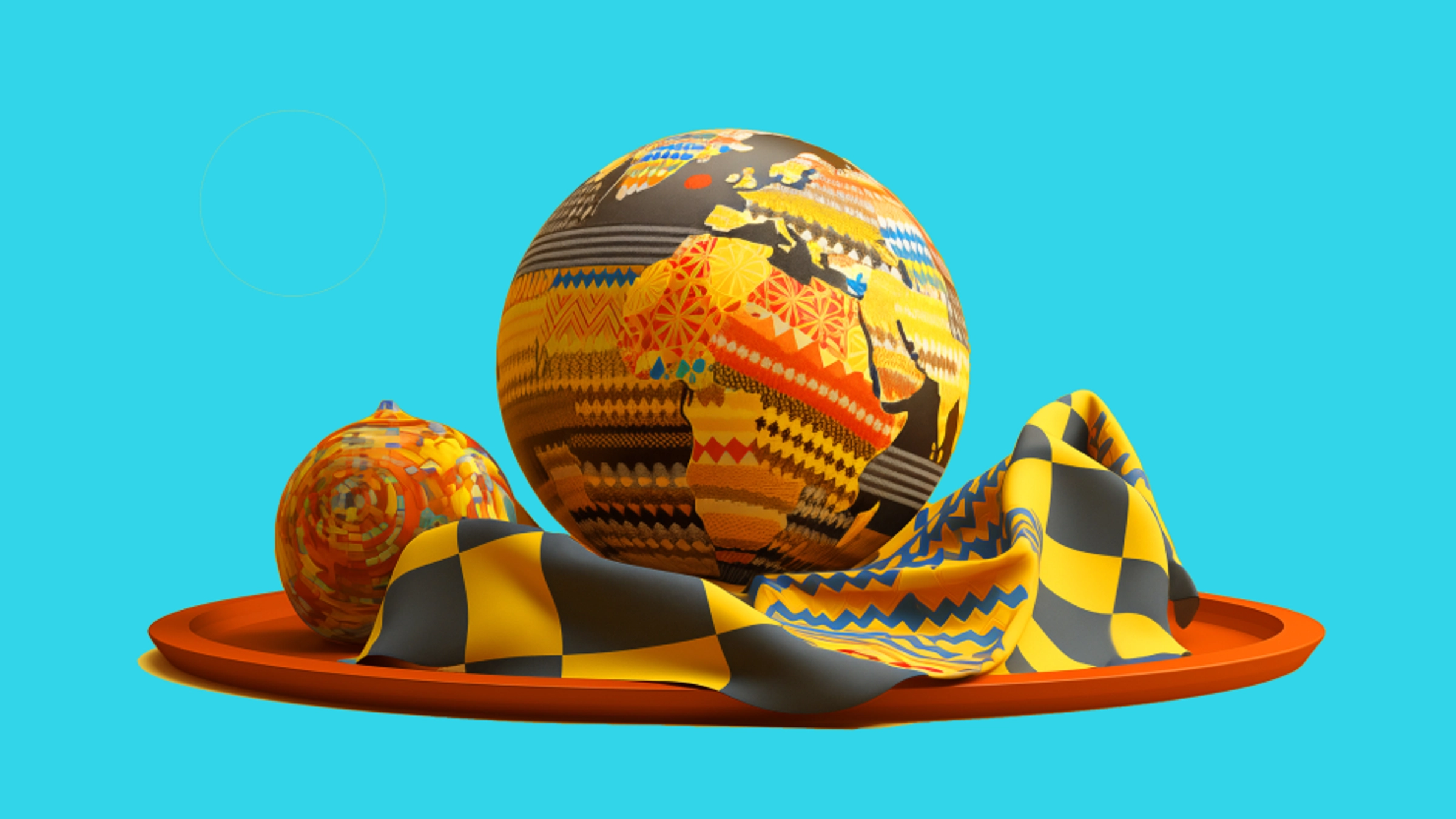
In Cultural Textiles, students will explore global patterns and their cultural meanings through AI, reflect on their own values, and design unique patterned garments. They will then bring their digital designs to life using hand-printing techniques on fabric, celebrating personal values, culture, and diversity.
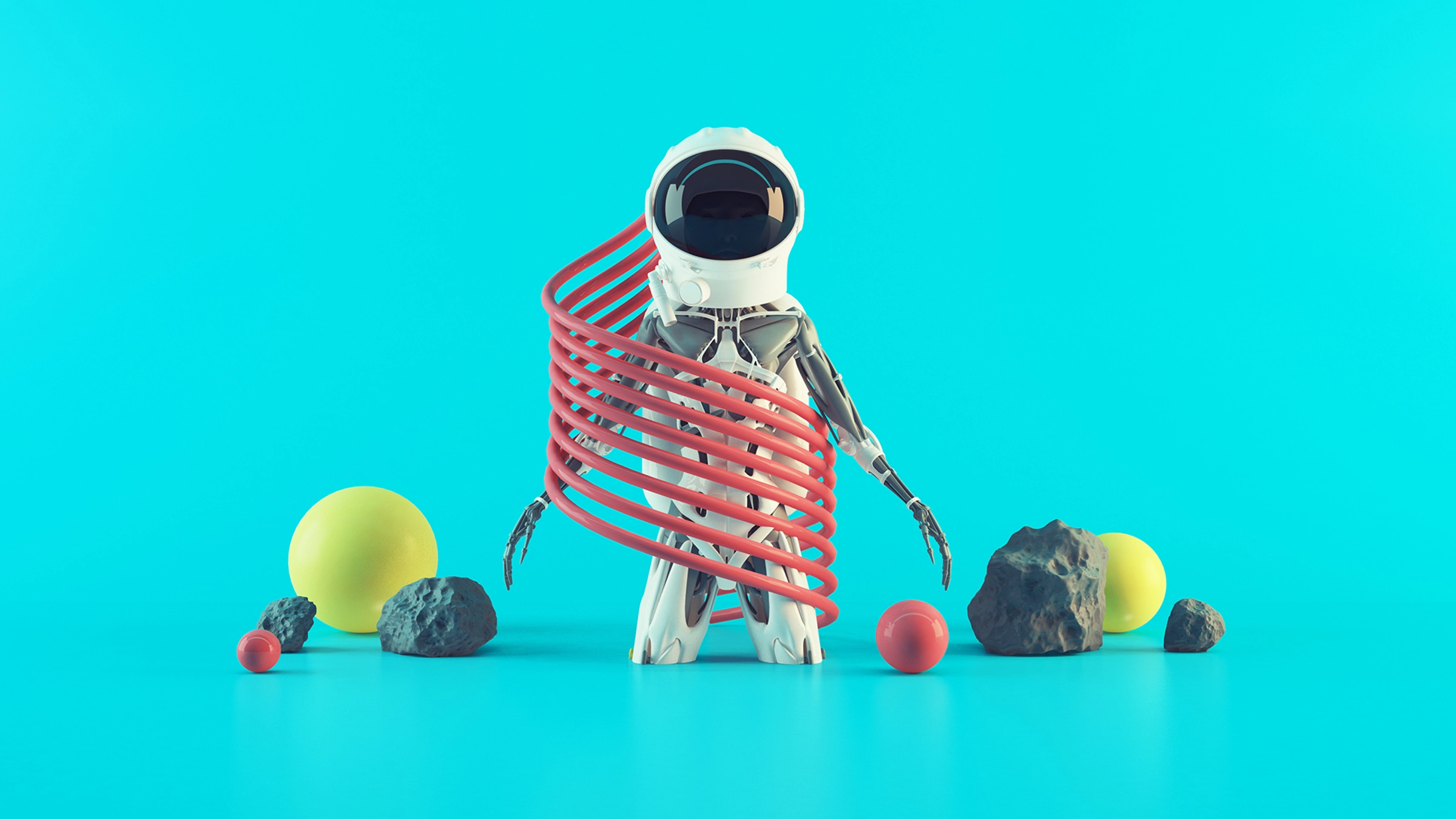
In Futuristic Fashion, students will imagine and define the future by designing wearable technologies that blend imagination with historical and cultural elements. They will use research, design thinking, and rapid prototyping to create innovative clothing items for a reimagined world, exploring new meanings and possibilities through their designs.
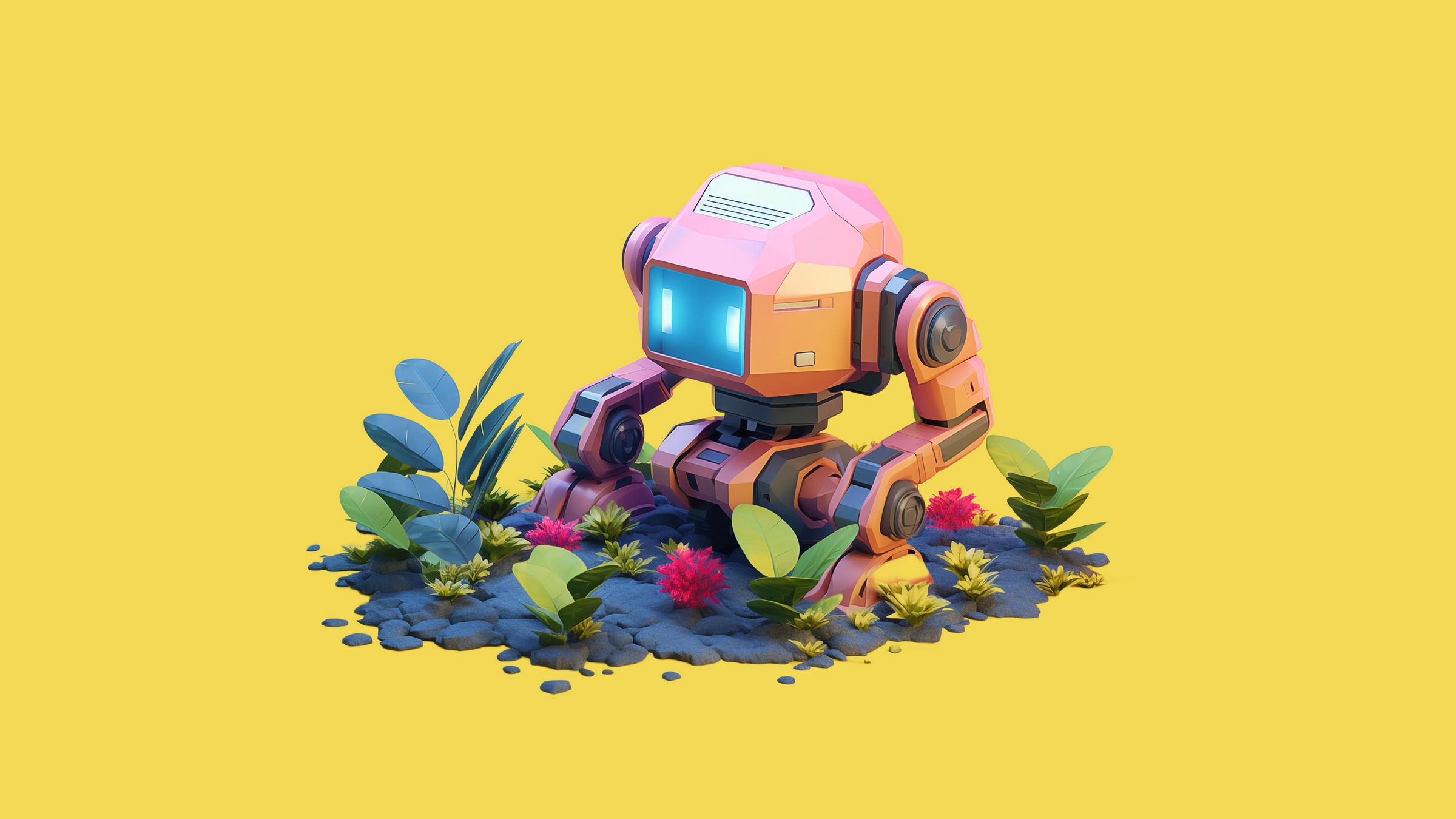
In Battlebotics, students will design, engineer, and build combat robots capable of competing in head-to-head battles. Through research, sketching, CAD modeling, 3D printing, and advanced mechanical engineering, they will develop drive systems, defensive armor, and custom weapon mechanisms while learning about force, torque, gearing, and structural design. The studio culminates in a final Bot vs. Bot tournament, where students put their robots to the test and strategy, engineering, and performance determine the champion. Requires: Advanced Electrical skills.
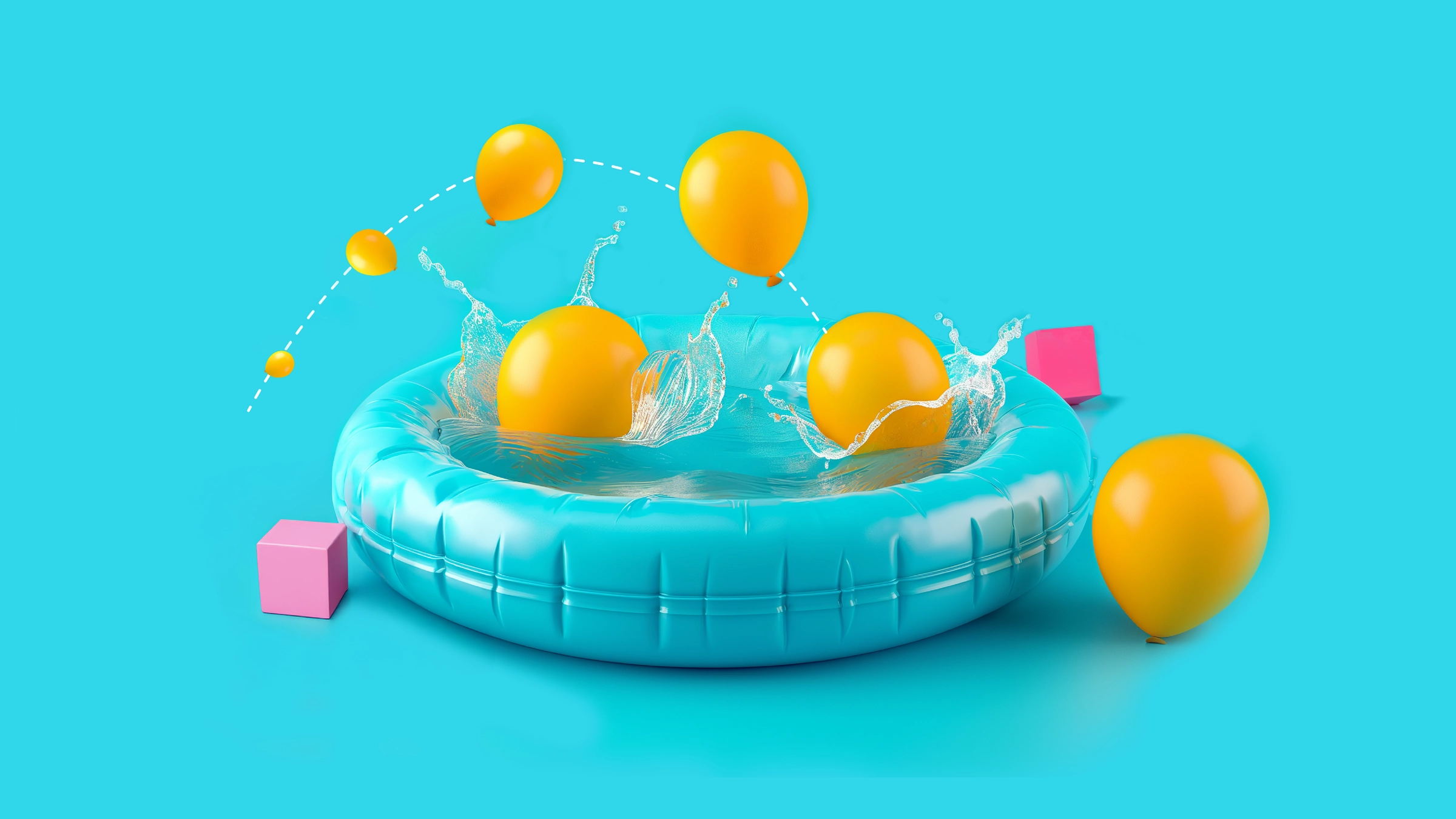
In Super Splash Lab, students will explore the science and engineering behind water-powered projectiles by designing, building, and testing their own launchers and spray devices. Through hands-on experimentation, they will investigate concepts such as force, pressure, motion, fluid dynamics, and projectile design while learning how engineers use these principles to solve problems and improve performance. Students will prototype, test, and refine their creations through an iterative design process, balancing power, accuracy, distance, and creativity.Requires: Advanced Digital Fabrication skills.
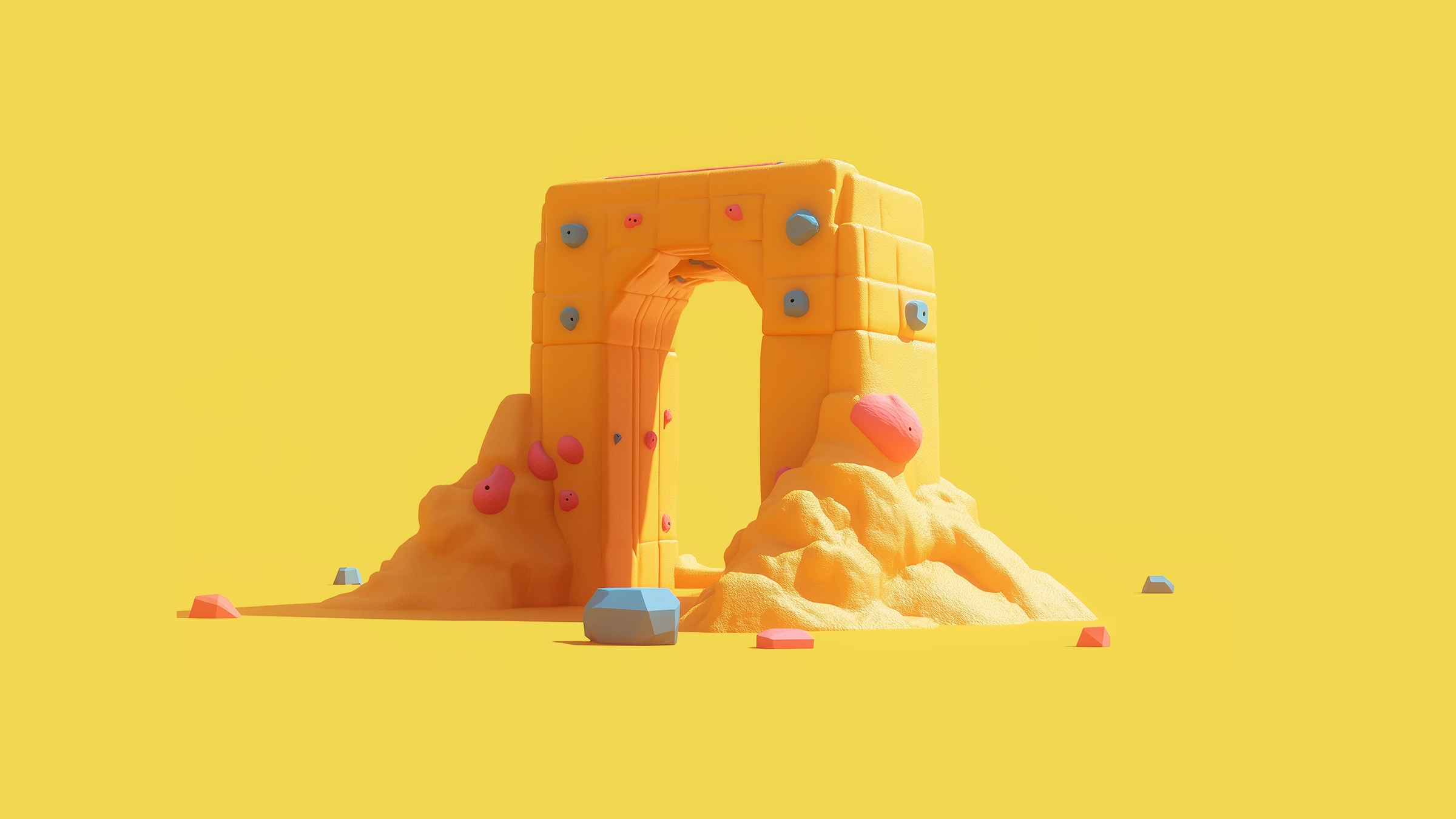
In Ninja Warrior, students will explore the design and engineering behind obstacle courses by analyzing how athletes navigate physical challenges and then creating their own. Through sketching, prototyping, testing, and fabrication, they will design obstacles that challenge balance, agility, strength, coordination, and problem-solving. Working at both model and full scale, students will learn how designers use structure, movement, and user experience to create engaging physical environments. Requires: Advanced Woodworking skills.
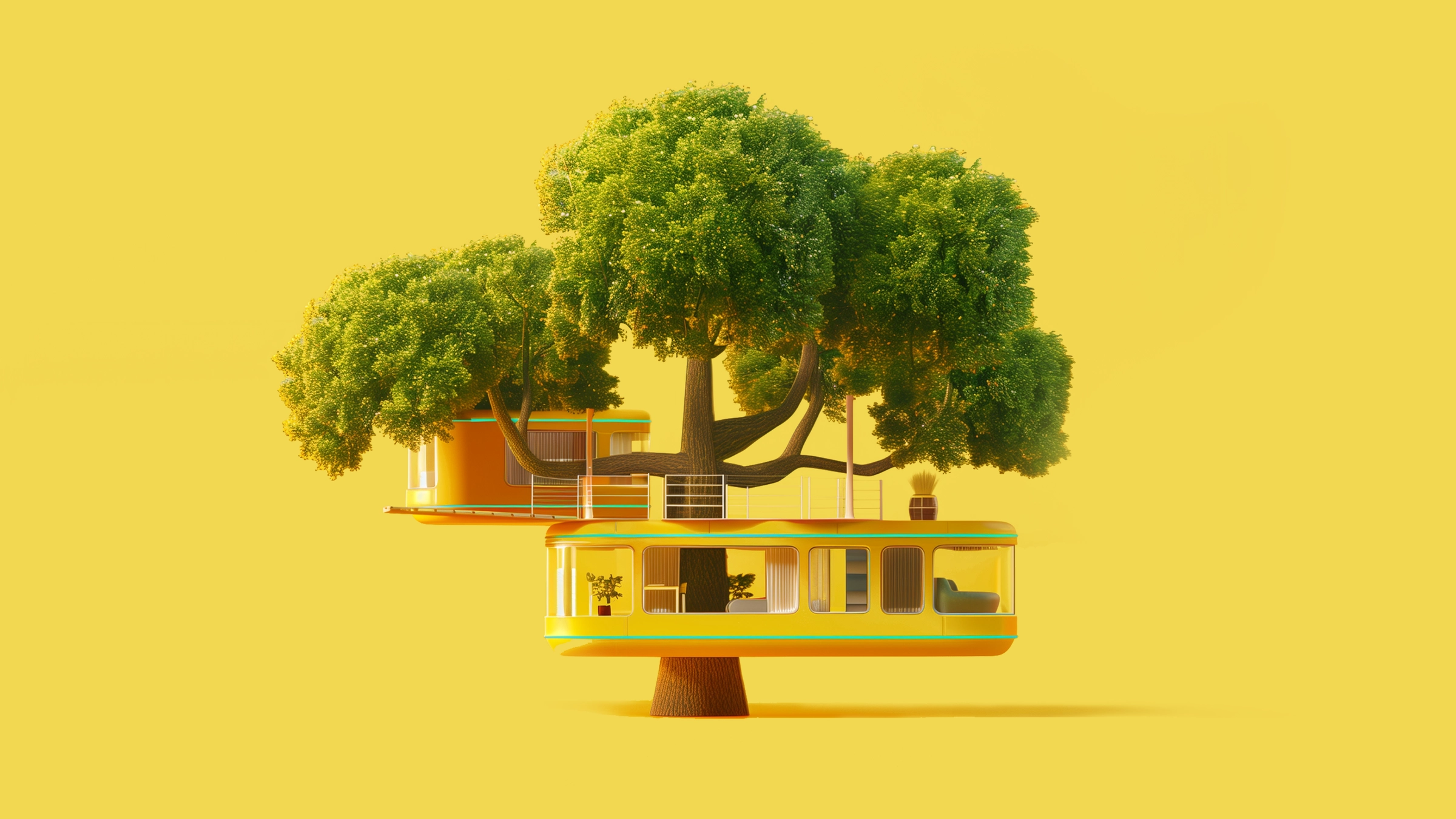
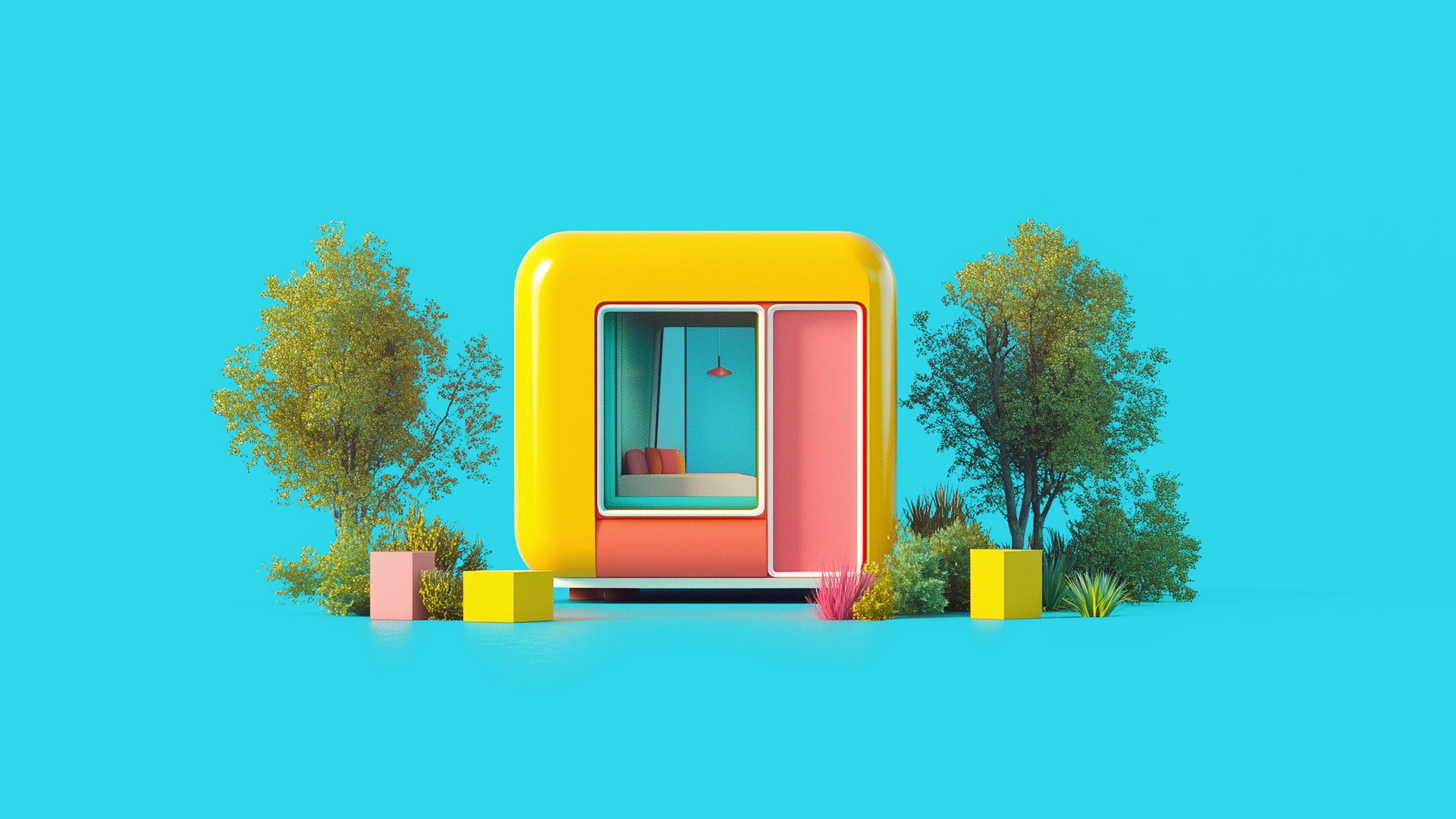
In Tiny House, Big Ideas, students will design and build a personalized tiny house that reflects their interests, hobbies, and daily routines while exploring architecture, spatial planning, model making, and innovative fabrication techniques.
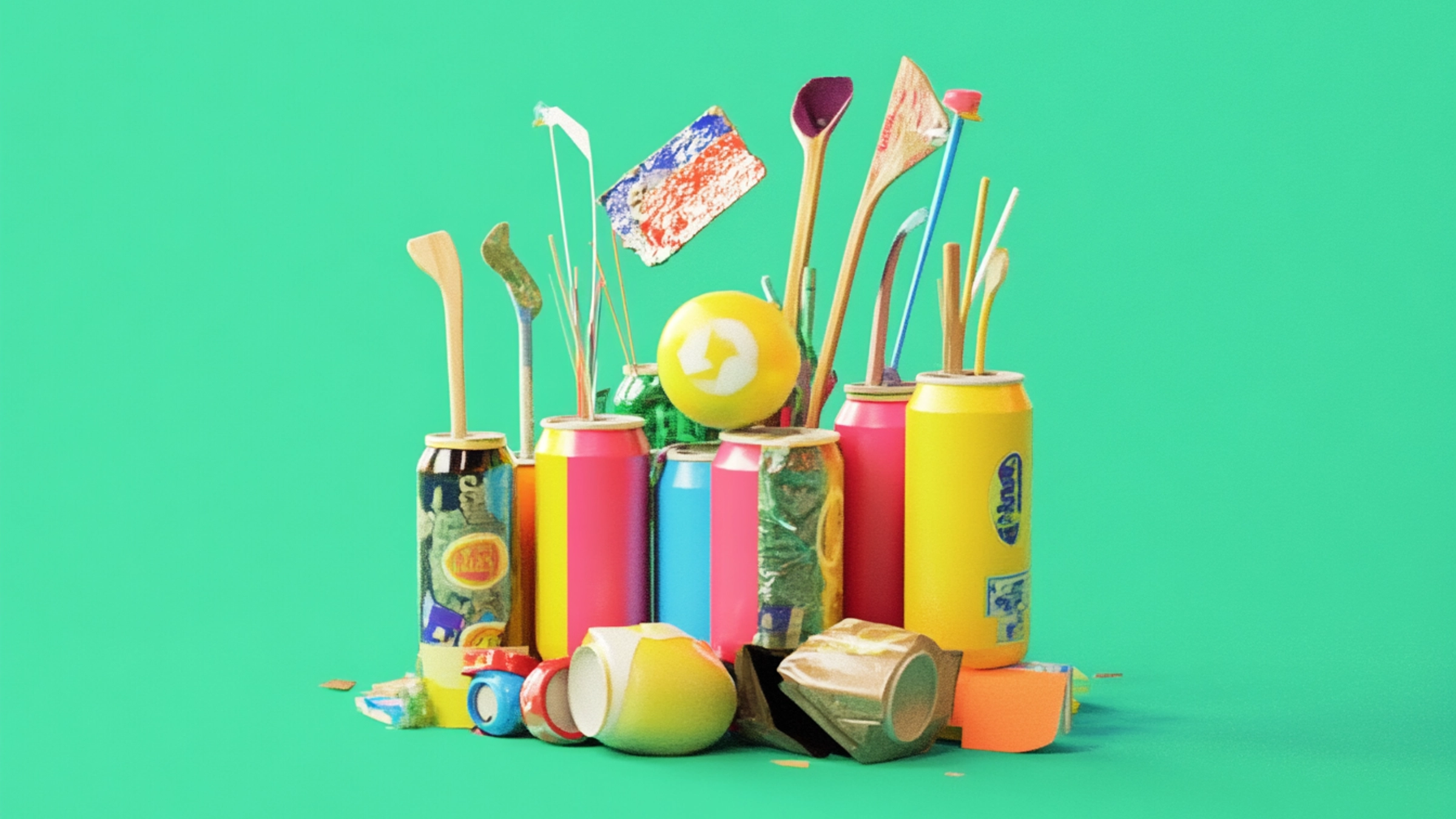
In Green Interventions, students will discover how everyday and discarded materials can be transformed into something new and meaningful. By upcycling found and natural objects, they will reduce waste while uncovering the hidden potential of the world around them. Through hands-on making, students will reimagine these materials as creative new objects that serve a different purpose, express an artistic idea, or celebrate the beauty of sustainable design.
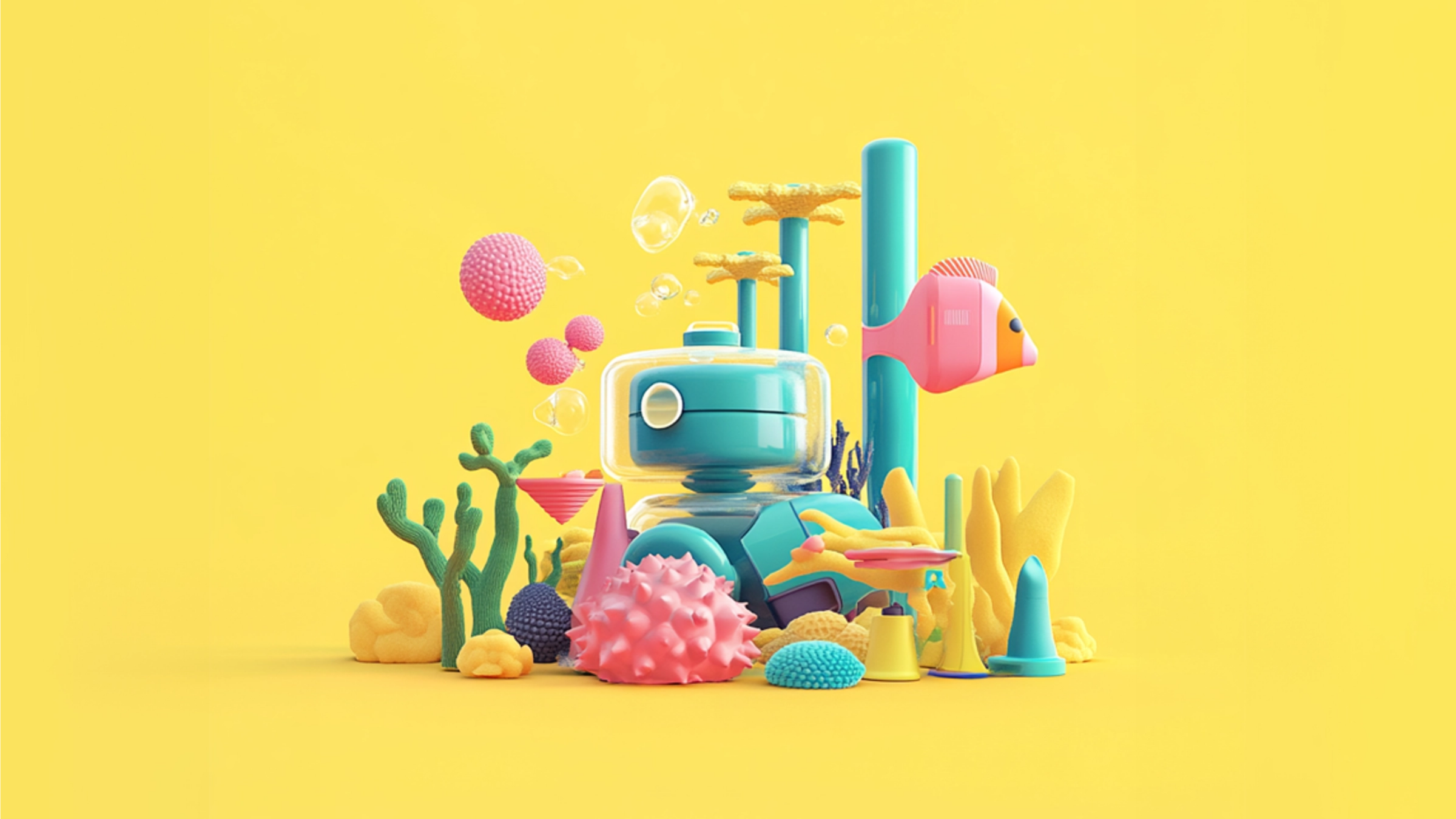
In Life Under Water, students will develop novel solutions that help sustain Earth's life below water. Using deep-sea creatures as inspiration, students will prototype devices that help to create a more sustainable ocean ecosystem. Projects will address issues of plastic marine pollution, fishery collapse, acidification, and other issues threatening our oceans in effort to maintain the integrity of our oceans.
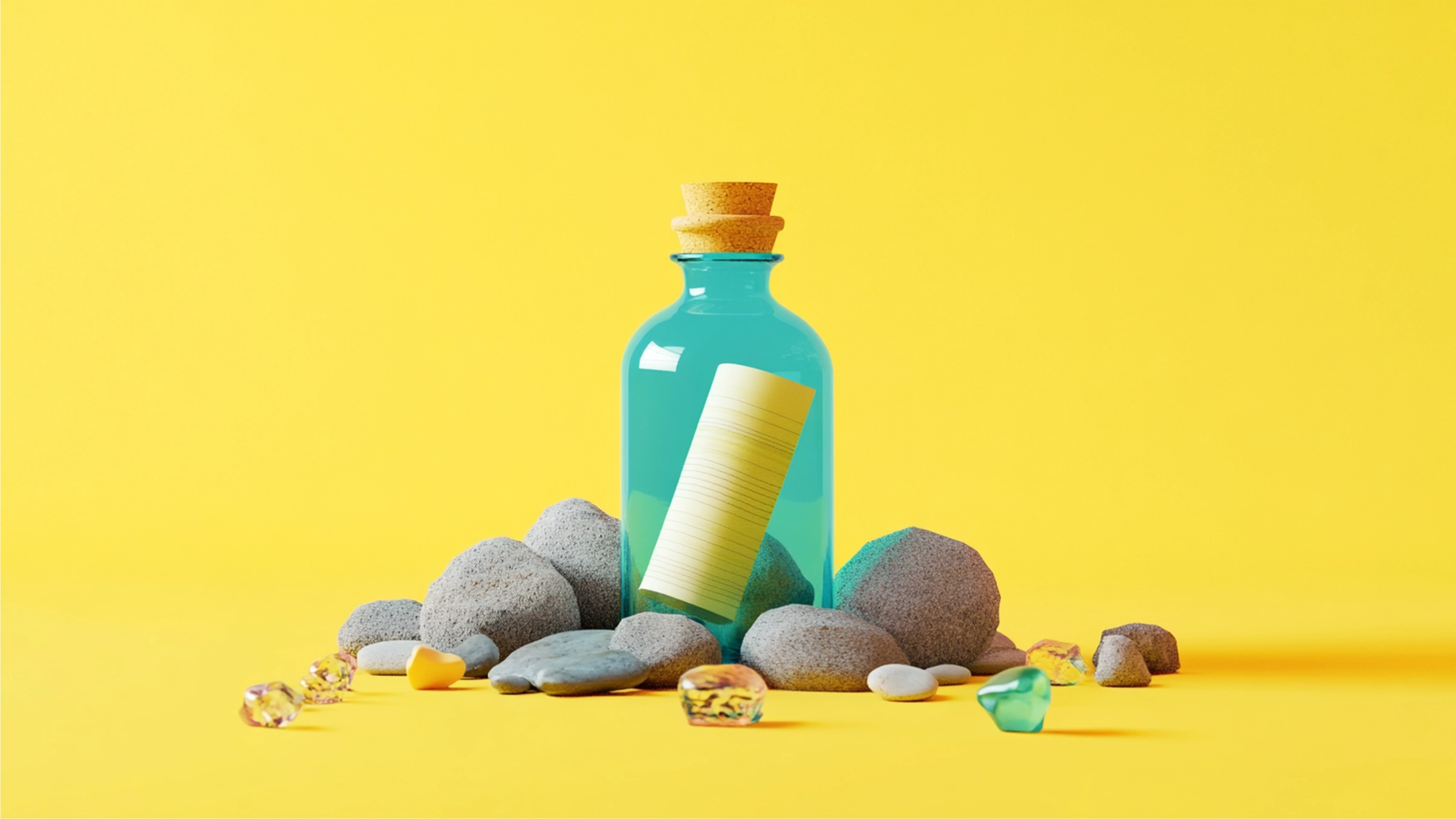
In Message in a Bottle, students will explore different ways people communicate by designing and building their own creative messaging systems. They will experiment with signals, symbols, colors, movement, and simple mechanisms to invent playful ways of sharing messages. Through hands-on making, students will develop creativity, problem-solving, and collaboration skills while bringing their communication ideas to life.
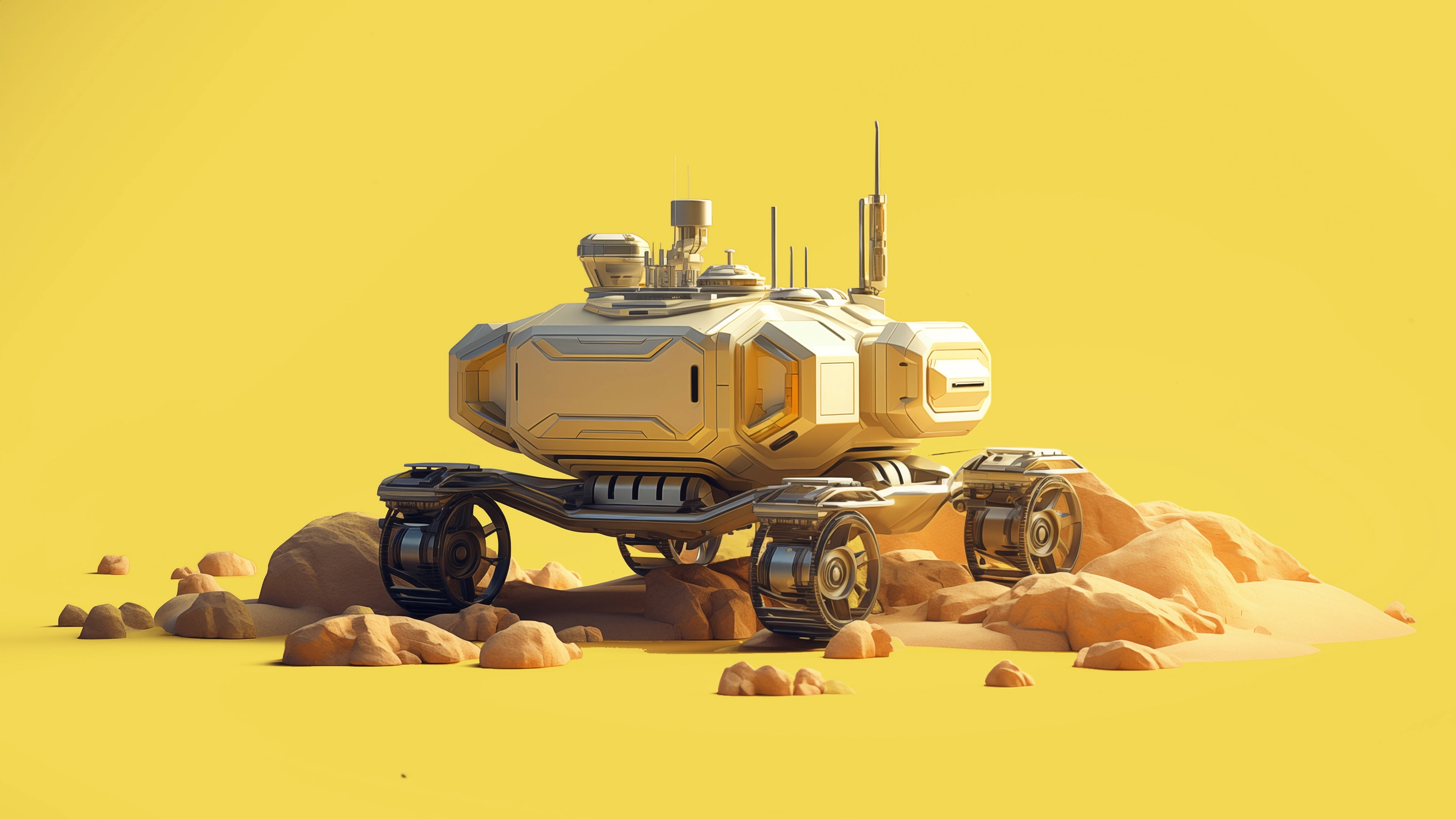
In Exploration Rovers, students will design and build futuristic rovers for exploring uncharted terrains. They will use their creativity to create sci-fi rovers capable of advancing human exploration and addressing challenges of extraterrestrial environments. The studio encourages students to envision and construct innovative rovers for discovering new and exciting worlds.
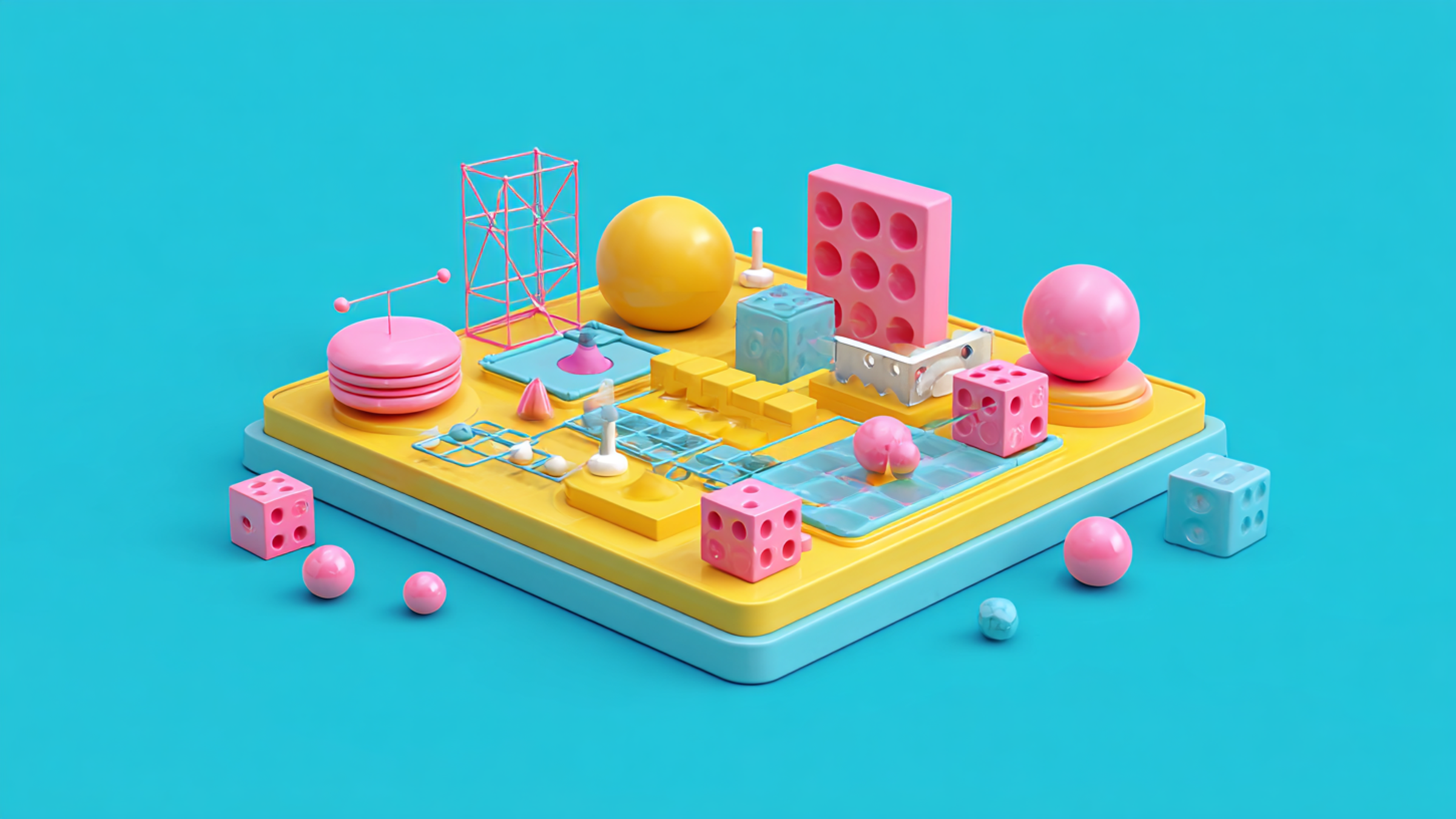
In Games For Good, students will dive into the game creation process, from concept development to physical design, utilizing tools like 3D printing and laser cutting to bring their ideas to life. Emphasizing hands-on experience, students will craft game components, gaining a deeper understanding of how design choices shape gameplay. Additionally, students will have the opportunity to create games that raise awareness about important issues or offer solutions to contemporary challenges, blending creativity with purpose.

In Make Your Mark, students will explore their identity by redesigning a meaningful spot in their school. They will capture and reflect on significant places, then transform their chosen spot to reflect their values and interests. Whether it's creating a storytelling nook, a vibrant mural, or an interactive game, the studio encourages personal expression and leaving a unique mark on the school's landscape.
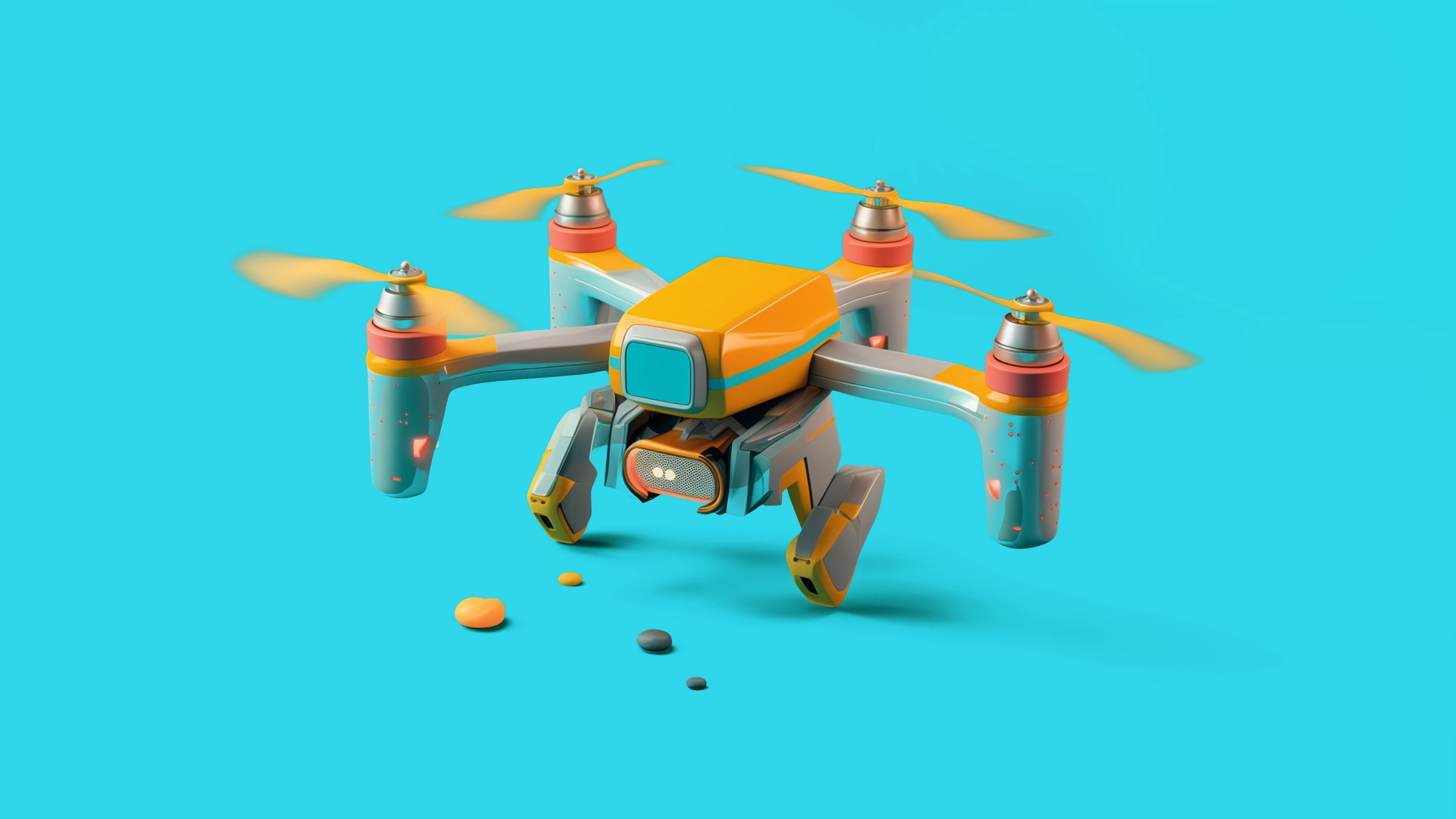
In Hacking Drones, students explore the world of aerial robotics by designing and prototyping their own flying machine concepts. Through research, sketching, testing, and hands-on making, they investigate how drones can be used to address real-world challenges and create new possibilities. From aerial photography and environmental monitoring to emergency response and creative applications, students develop innovative drone concepts. Requires: Drone Kit
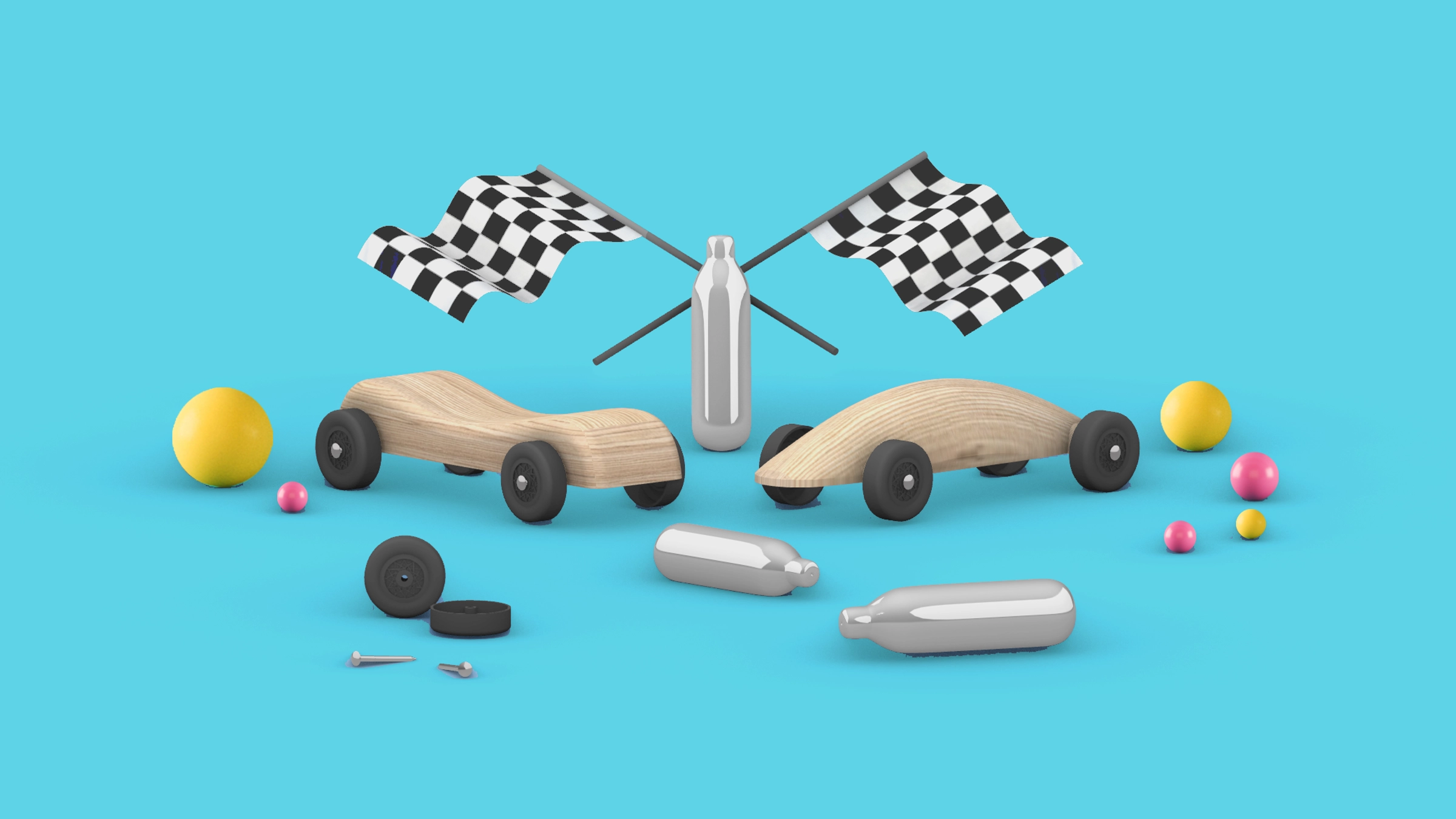
In Rocket Car Racers, students will design and build competitive CO2-powered drag racers, exploring the physics behind speed, including aerodynamics, rolling resistance, and inertia. They will research car designs, sketch profiles, and use laser cutting and layering techniques to construct their cars. Students will create free body diagrams to analyze the forces on their vehicles and test their designs in a wind tunnel. The studio culminates in a final race to determine the champion. Requires: CO₂ Dragster Kits and Wind Tunnel

In Mapping Communities, students embark on a creative exploration of mapping as a tool for understanding communities and environmental impacts. They will analyze shared spaces, dynamic relationships, and complex interactions within a chosen community. By leveraging maps as visual storytelling tools, the studio culminates in the creation of interactive maps that reveal interwoven connections and offer fresh perspectives on community representation.
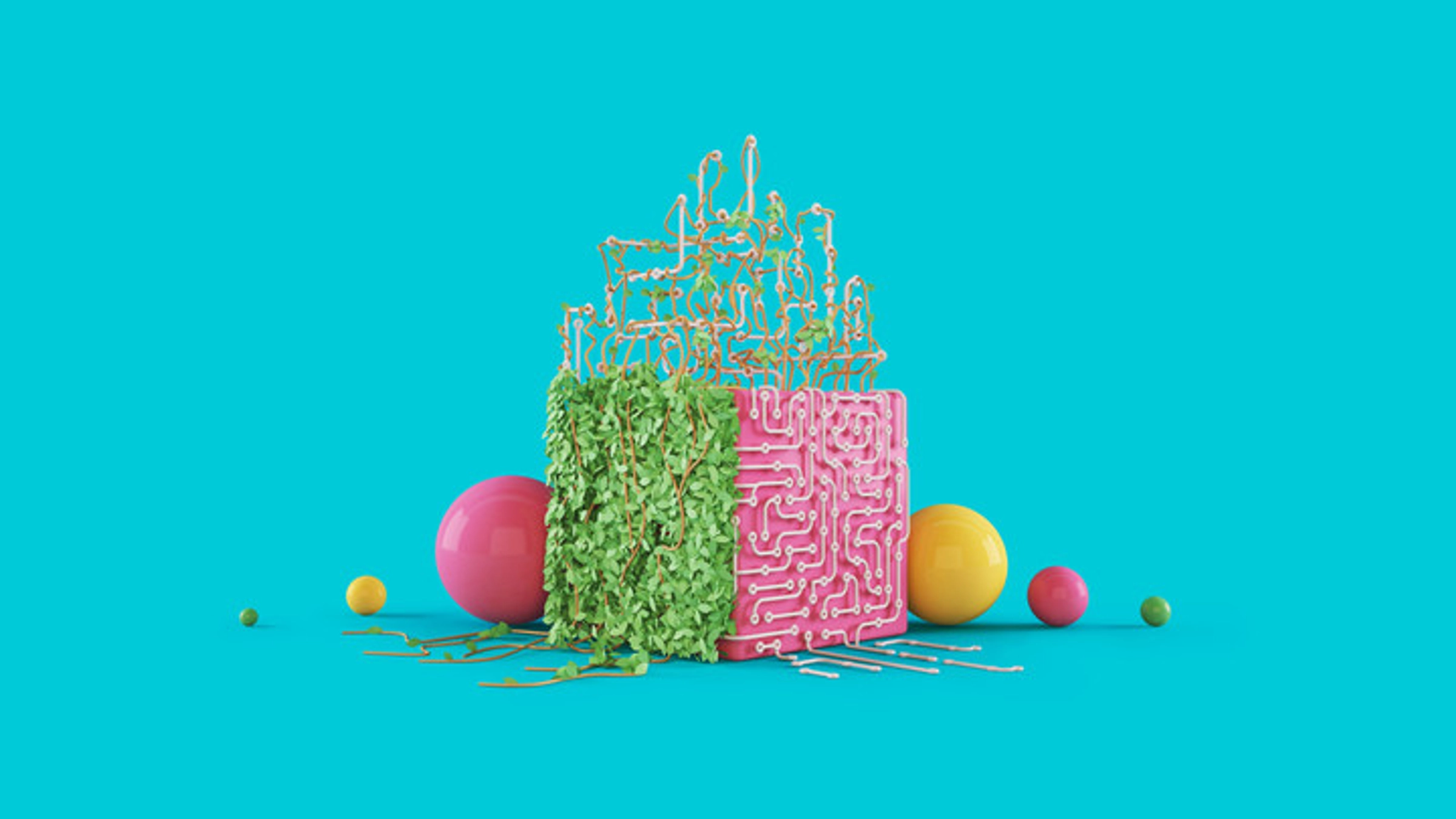
In Delightful Interventions, students explore the 'imperfections' in their surroundings as inspiration for reimagining a specific site. By observing and creatively critiquing the built environment, they will exaggerate, distort, or transform existing conditions through non-destructive, temporary installations. Using elements of delight, play, wonder, and surprise, students will reshape the experience and narrative of a public space, encouraging people to see familiar places in new ways.
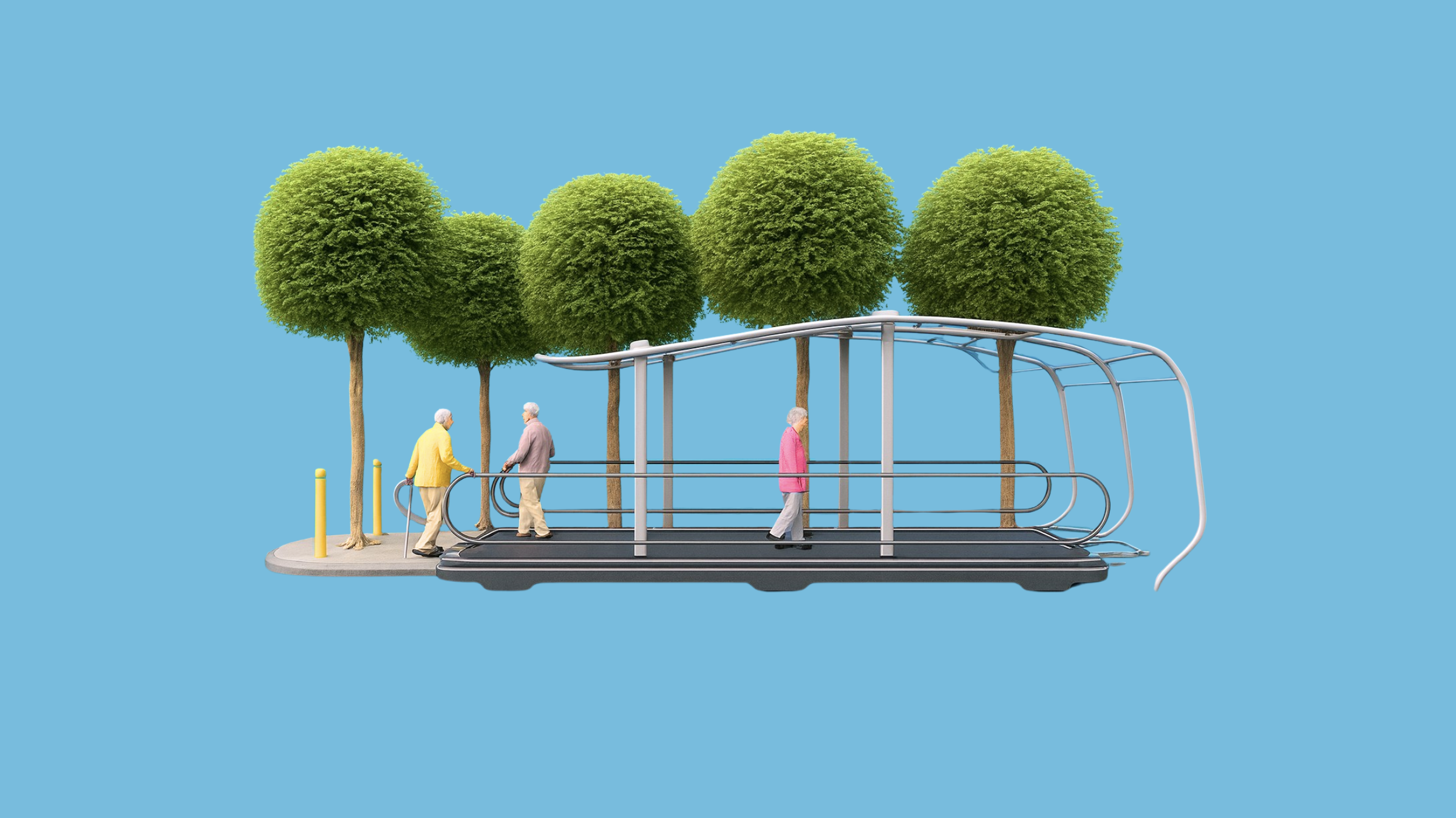
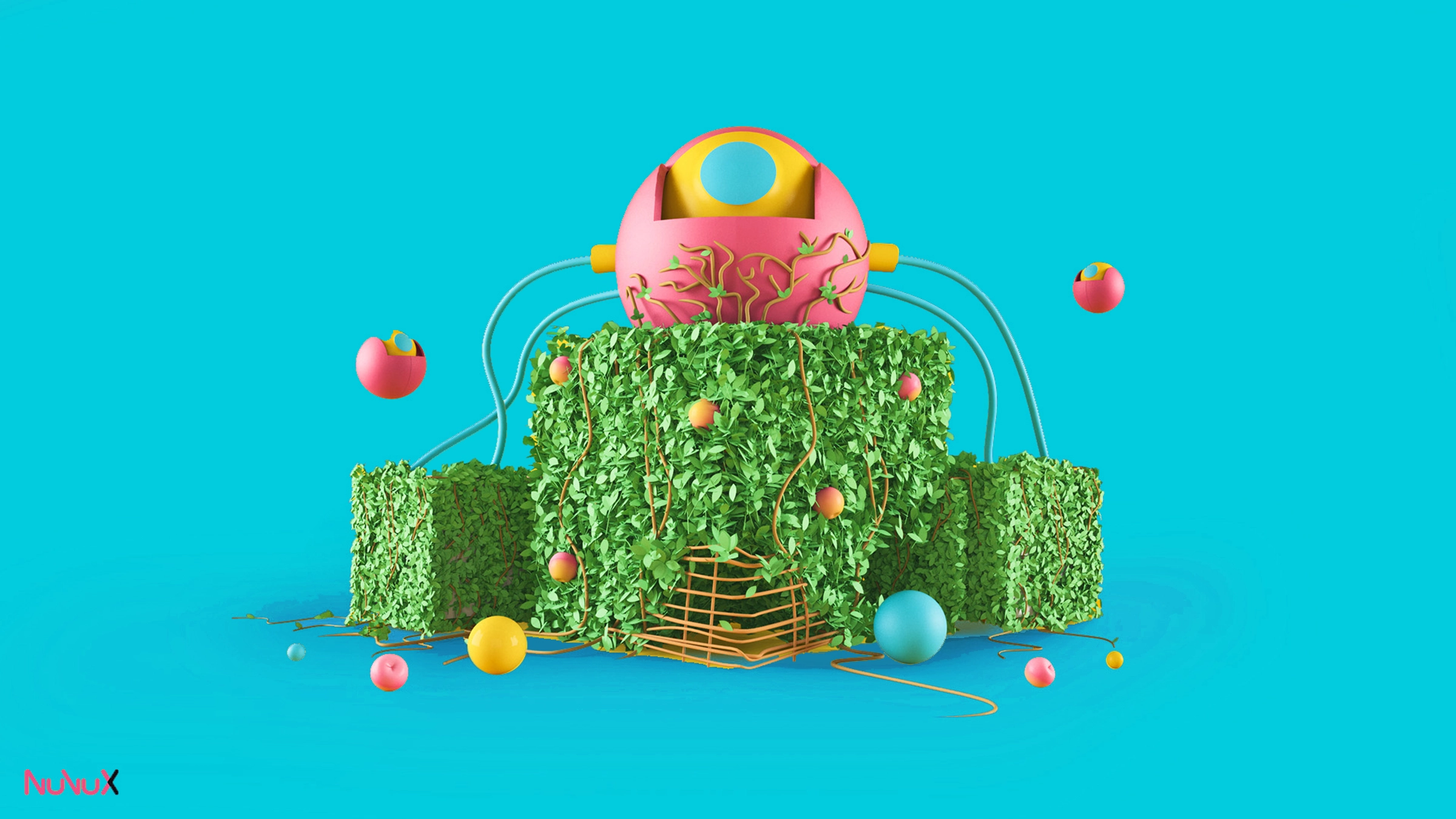
In Beneath the Lands, students draw inspiration from Earth's geology, natural landscapes, and the unique properties of materials to imagine a future city. By exploring rocks, minerals, and landforms, they investigate how materials shape innovation, sustainability, and the built environment. Each student creates a 'piece of the puzzle,' contributing to a collective city design. They design elements of infrastructure, landscape, or architecture, progressing from research and material exploration to digital fabrication as they bring their visions to life.
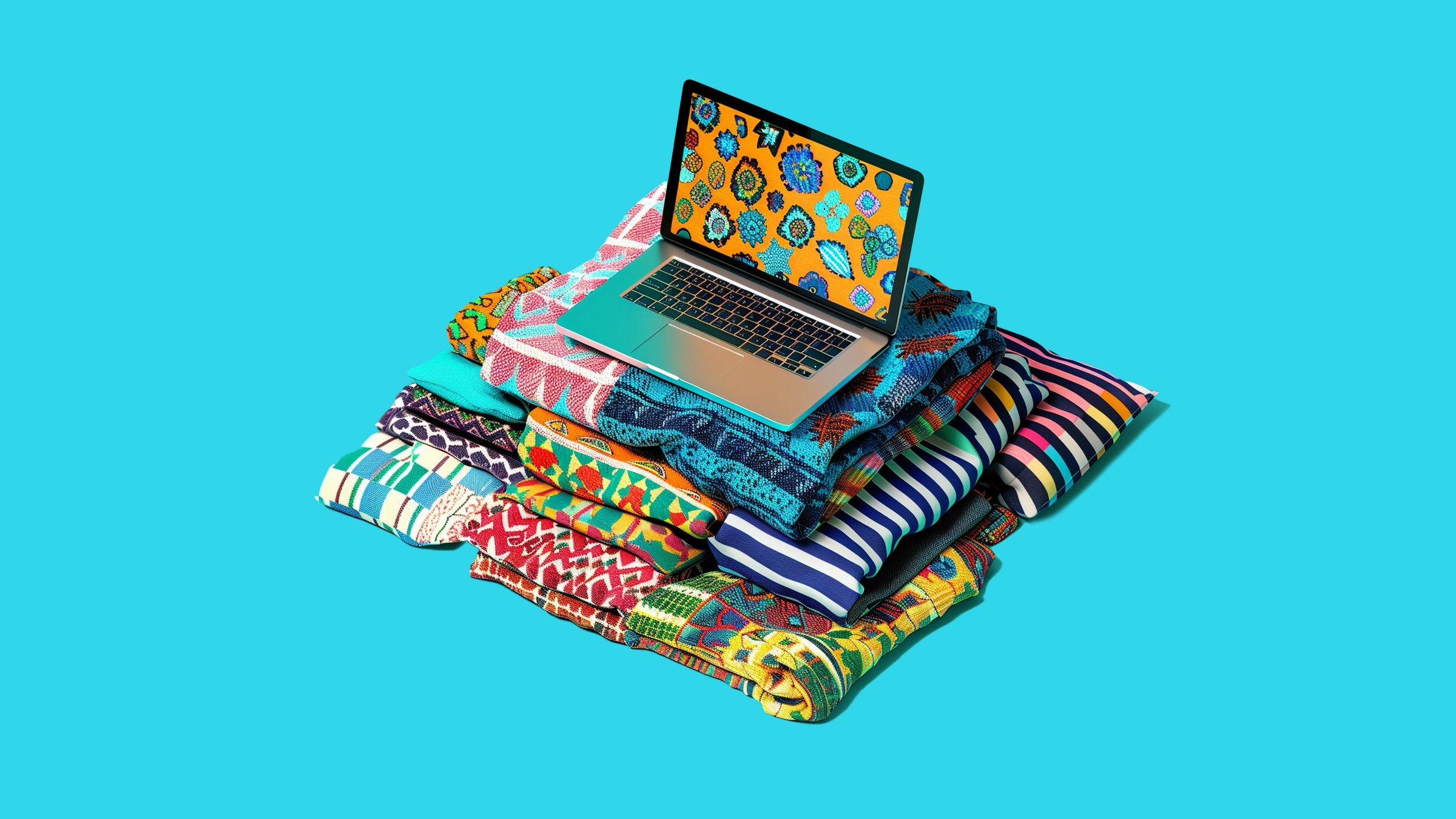
In AI Fashion Tech, students will use artificial intelligence to embark on a virtual journey, exploring diverse cultures through patterns and garments. The studio will delve into the meanings and values encoded in traditional clothing, contrasting them with the impact of fast fashion. Students will reflect on their own values and use AI to design patterns that represent these beliefs. Finally, they will apply hand-printing techniques to transfer their AI-generated patterns onto garments, capturing the essence of their values, culture, and diversity.

In Foodio Jr, students will delve into the rich tapestry of food, tracing its historical, cultural, and personal significance. Beyond mere sustenance, they'll uncover the deeper stories behind what we eat. Using prototyping methods, students will craft model ingredients, which will culminate in a stop-motion recipe video, narrating the unique tales and traditions surrounding their chosen dish.


In Urban Utopia, students explore urban design, resource utilization, and sustainability. They will analyze city resources and apply circular design principles to minimize waste and maximize efficiency. Through innovative strategies, they will repurpose materials, integrate renewable energy, and create symbiotic urban relationships, culminating in master plans and massing models that showcase visionary city restructuring.

In City in Motion, students explore the evolution of their local city, from its historical roots to its future possibilities. Through mapping, research, and design, they investigate how culture, architecture, and urban systems shape the places we live. Using digital fabrication tools such as laser cutters and 3D printers, students create miniature cityscapes, architectural elements, and interactive props, culminating in a stop motion animation that tells the story of their city's past, present, and imagined future.


In Ready to Play Furniture, students explore the imaginative realm of childhood through furniture design, focusing on the landscape of play. Guided by the belief that play is fundamental to human development, students will craft furniture pieces that foster playful interaction between children and adult caregivers. Using innovative design strategies, students will reimagine the production, user experience, and lifespan of children's furniture through wood joinery, digital fabrication, and play-testing methodologies.

In Drawing Machines, students explore the captivating world of kinetic art, where mechanics and artistry unite. Participants design, build, and experiment with drawing machines, ranging from simple hand-powered contraptions to complex automated systems, challenging traditional drawing boundaries. By learning mechanical principles and applying them creatively, the studio culminates in a showcase of innovative machines and the unique artwork they produce, highlighting the synergy between human creativity and mechanical ingenuity.

In Escape Room, students will delve into the creative process behind crafting immersive and engaging escape room experiences. Collaborating with a local escape room, they will design and fabricate physical objects and components tailored to a chosen theme. These escape rooms will be thoughtfully created to be family-friendly, ensuring enjoyable and inclusive experiences for participants of all ages and backgrounds.
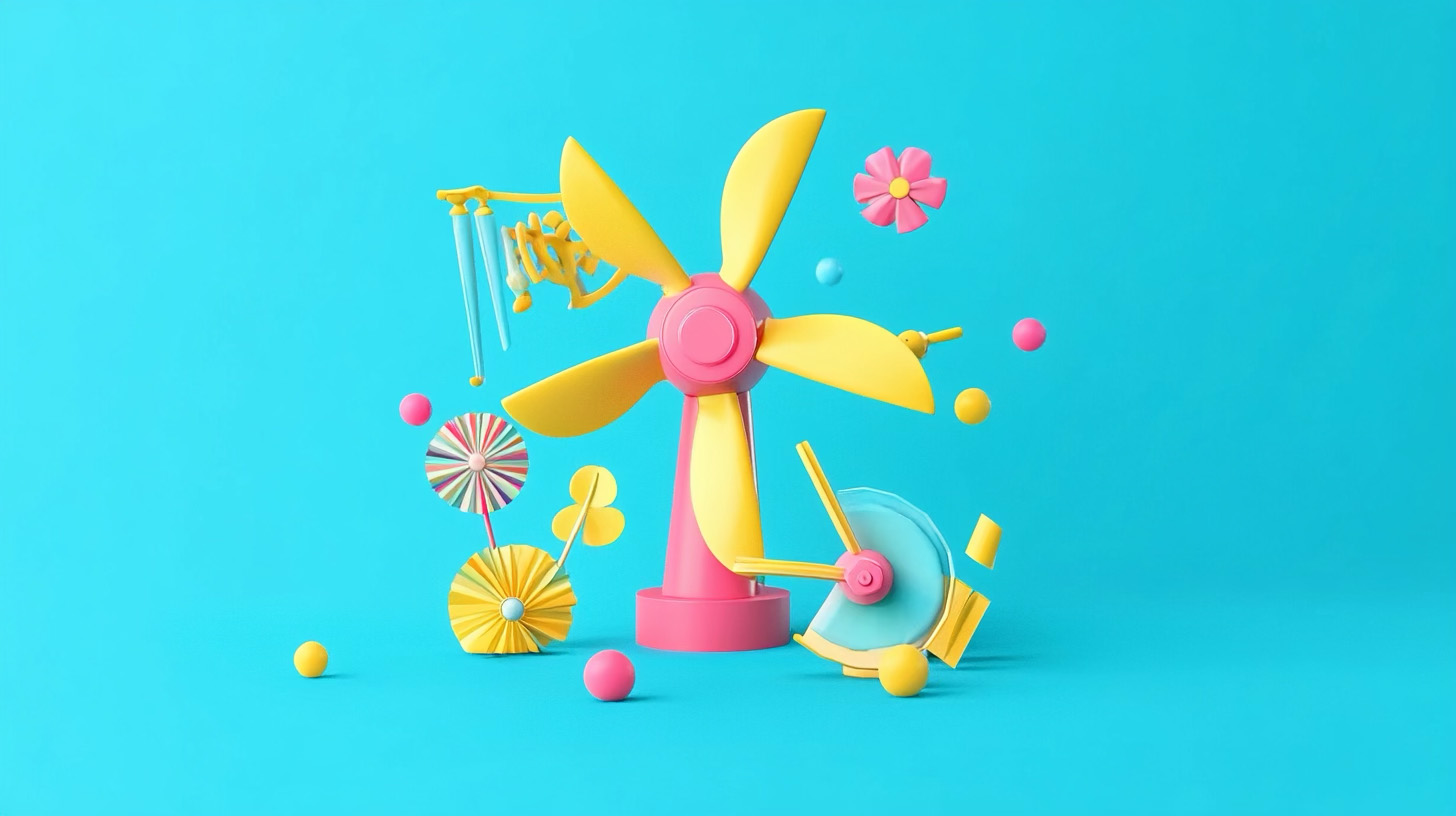
In Windy Day, students will explore the power and movement of wind through hands-on experiments and creative design challenges. They will investigate how air moves, discover ways to make the invisible visible, and experiment with motion, balance, and materials. Using their discoveries, students will design and build their own wind-powered sculptures that come to life when the breeze blows, combining science, engineering, and artistic expression.


In Foodio, students delve into the Local Food Movement, exploring the benefits of selecting locally sourced ingredients. They are tasked with crafting a sustainable dish, followed by bringing it to life through prototyping and a captivating stop-motion recipe video. The process showcases the journey from farm to table and underscores the dish's significance within their community, inviting students to embrace the freshness, health, and sustainability of local flavors, contributing to a positive impact on the planet, one plate at a time.


In Make it Move, students will be constructing sci-fi and futuristic vehicles of their imagination while learning about renewable energy systems such as solar, hydro and wind power. They will imagine the systems and infrastructure that will change the way vehicles move, how they are designed, and who they will transport, and then prototype new modes of transportation with motors, batteries, and gears.

In SoundMakers, students will delve into the world of acoustics, investigating how materiality, shape, and size influence sound. By exploring the unique sonic landscapes of their surroundings, they'll gain insights into everyday soundscapes. Using makerspace resources and recycled materials, students will craft their own innovative, playable instruments, drawing inspiration from both nature and mechanics.

In Erosion Expedition, students will tackle the urgent environmental challenge of soil erosion, caused by factors like unsustainable farming and extreme weather. Understanding the dire consequences, from compromised top soil to water pollution, students will step into the role of engineers. Through research, sketching, modeling, and iterative tests, they will design and refine systems to mitigate the devastating effects of erosion.

In Playful Pop-Up, students will investigate the unique qualities and imperfections in their surroundings and identify the elements that will ultimately serve as inspiration for bringing new contexts to a particular site. Students will create non-destructive, temporary installations on a public site to transform spaces through elements of delight, play, wonder, and surprise.

In Animalia Wearables, students will delve into the captivating world of animal forms and movements. From a turtle's shell to snake scales, they'll draw inspiration to design wearable art. Through hands-on modeling, makerspace tools, and iterative prototyping, students will refine their creations. Students will work collaboratively on a joint project, culminating in a vibrant collection of zany, animal-inspired wearables.

In Responsive Architecture, students will delve into the world of dynamic structures that adapt to environmental triggers like heat, rain, and snow. These transformative designs not only benefit the environment but also enhance human well-being. Students will design a responsive structure for sites in Japan, Chile, or the USA, incorporating elements of origami auxetics and environmental research to create buildings that move and change, improving the lives of their inhabitants.


In Monumental Reimagining, students will delve into the rich tapestry of historical monuments and their role in shaping cultural narratives. Exploring the complexities of the history that their town's monuments represent, students will grapple with the controversies surrounding these structures. Tasked with creating a sculptural monument for their community, students will highlight untold stories and values, choosing between interactive or observational designs for their town's newest landmark.

In Animated Narratives, students explore the art of visual storytelling by transforming works of literature into stop motion animations. Drawing inspiration from novels, short stories, myths, folktales, poetry, or original narratives, they will learn the fundamentals of storyboarding, directing, filming, and editing. Using digital fabrication tools, students will design and create characters, settings, and props that bring their chosen story to life. The studio culminates in a showcase of stop motion films.

In Illumination Sculptures, students will explore the creative potential of light by focusing on its properties — shape, color, and motion. Through hands-on activities and inventive design challenges, they will learn to manipulate these elements to create stunning installations. Students will craft dynamic light sculptures that transform spaces, evoke specific moods, and captivate the imagination, resulting in atmospheres rich with emotional depth and visual intrigue.

In Collaborative Futures, students will explore the burgeoning realm of generative AI tools, critiquing their integration into daily life. By envisioning AI's future impacts on healthcare, society, and creativity, they'll craft narratives using tools like Midjourney, DALLE, and ChatGPT. Working in teams, students will design stories, characters, and promotional materials, while critically assessing and iterating on AI-generated content, seeking a harmony between machine inspiration and human creativity.

In Musical Interventions, students will design site-specific sound sculptures that interact with their environment to produce engaging and thought-provoking experiences. They will research various types of music, instruments, and cultural events to shift from passive listening to active participation. Students will learn musical concepts and instrument prototyping to create responsive sound sculptures that transform their spaces.


In Health Wearables Devices, students will explore the forefront of health-focused wearable technology. The challenge is to design and develop innovative wearables that improve physical or mental health. Students will apply cutting-edge approaches, materials, and technologies to create devices that enhance and elevate individual capabilities.


In Cyborg Enhancements, students will navigate the frontier of human augmentation, from 3D-printed organs to brain-computer interfaces. In an era where technology pushes the boundaries of our physical and cognitive abilities, they'll design body extensions that challenge the notions of human potential. Through brainstorming, prototyping, and iterative feedback, students will not only craft innovative enhancements but also explore the essence of our humanity.


In Transitopia, students will be constructing sci-fi and futuristic vehicles of their imagination while learning about renewable energy systems such as solar, hydro and wind power. They will imagine the systems and infrastructure that will change the way vehicles move, how they are designed, and who they will transport, and then prototype new modes of transportation with motors, controllers, batteries and gears.

In Deep Sea Bots, students will develop novel solutions that help sustain Earth's life below water. Using deep-sea creatures as inspiration, students will prototype devices that help to create a more sustainable ocean ecosystem. Projects will address issues of plastic marine pollution, fishery collapse, acidification, and other issues threatening our oceans in effort to maintain the integrity of our oceans.

In Waste to Wonder, students will investigate sustainable materials, experimenting with biodegradable alternatives such as mycelium, potato starch, and gelatin-based bioplastics, as well as repurposed materials sourced from everyday waste. They will design, prototype, and test an innovative packaging solution that reduces waste while effectively protecting and presenting a product.
